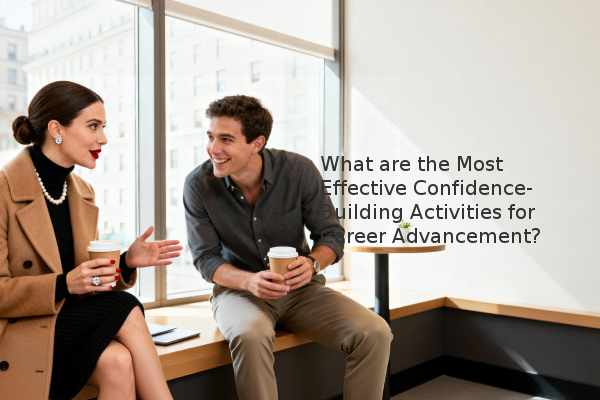
Actively building workplace confidence through specific, practical activities is a proven strategy for career advancement, directly impacting leadership potential, negotiation outcomes, and overall job performance. Based on our assessment of career development trends, professionals who systematically work on their confidence are better positioned for promotions and salary increases. This article outlines six actionable activities grounded in professional development principles.
What is Workplace Confidence and Why is it a Critical Career Skill?
Workplace confidence is not about arrogance; it’s a professional belief in your own skills, knowledge, and value to an organization. It’s closely linked to self-efficacy, which is an individual's belief in their capacity to execute behaviors necessary to produce specific performance attainments. In a career context, this translates to interacting competently with colleagues, advocating for your ideas, and navigating challenges with a solution-oriented mindset. Confidence is a significant contributor to being seen as leadership material, as it underpins assertiveness, decisiveness, and persuasiveness—qualities essential for management roles.
How Can Skill Development Directly Boost Your Confidence?
A primary method for building confidence is through targeted skill development. Identifying and filling competency gaps reduces imposter syndrome and provides tangible evidence of your growing expertise.
- Actionable Steps: Conduct a personal skills gap analysis. Compare your current abilities against the requirements of your desired next role. Seek out training courses, industry certifications, or online tutorials to acquire these skills. As you demonstrate new competencies—like mastering a new data analysis tool or improving your public speaking—your visible impact on team performance will naturally elevate your confidence and professional reputation.
Why is Helping Colleagues a Powerful Confidence Builder?
Proactively offering assistance to coworkers is a dual-purpose activity that builds both confidence and your professional network. This practice reinforces your own knowledge and positions you as a reliable resource.
- Actionable Steps: Instead of waiting to be asked, actively offer help. For example, if you notice a newer colleague struggling with a software program you know well, a simple “Can I help you with that?” can make a difference. Crucially, only offer help on topics you are genuinely proficient in. This consistent demonstration of your value fosters positive reinforcement from peers, which is a powerful confidence booster.
Can Non-Verbal Cues Like Smiling and Eye Contact Really Make a Difference?
Absolutely. Non-verbal communication often speaks louder than words. Consciously managing your body language can project confidence to others, which in turn, through their positive reactions, builds your internal confidence.
- Smiling: A genuine smile during interactions signals approachability and positivity, encouraging more open and favorable communication from colleagues.
- Eye Contact: Practicing sustained, natural eye contact demonstrates attentiveness and self-assurance. You can practice this habit during routine interactions or even by maintaining eye contact with yourself in the mirror to build comfort.
How Does Giving Compliments Contribute to Professional Self-Assurance?
Giving sincere, professional compliments demonstrates security in your own abilities. When you confidently acknowledge others' success, you show that you don't feel threatened by it. This behavior fosters a more positive work environment and often leads to reciprocal positive feedback.
- Actionable Steps: Focus on work-related compliments, such as praising a well-delivered presentation or a creative solution to a problem. Keep the compliment specific and brief to avoid discomfort. This practice builds rapport and increases the likelihood of receiving positive feedback, which directly enhances your own confidence.
What is the Connection Between Physical Health and Workplace Confidence?
Improving your physical wellbeing has a direct and indirect impact on confidence. Activities like regular exercise, yoga, or adequate sleep reduce stress, improve mood, and increase energy levels.
- The Link: When you feel physically strong and healthy, it translates into mental resilience. This enhanced state of mind allows you to handle workplace challenges with greater composure and certainty, key components of demonstrated confidence.
The benefits of investing in your workplace confidence are clear and measurable. To summarize the key actionable advice:
- Conduct a skills gap analysis and commit to continuous learning.
- Proactively offer help to reinforce your value and build rapport.
- Master non-verbal cues like smiling and eye contact to project assurance.
- Give specific, professional compliments to foster a positive feedback loop.
- Prioritize physical health to build the mental resilience needed for confident performance.
By integrating these activities into your professional routine, you create a sustainable foundation for career growth and leadership readiness.


 Share