Preparing for a visual merchandiser interview requires anticipating questions that assess your creativity, strategic thinking, and cultural fit. A successful candidate typically demonstrates a blend of technical skills, commercial awareness, and a strong portfolio. This guide provides a comprehensive list of potential questions, sample answers based on industry best practices, and actionable strategies to articulate your value to a potential employer.
What Are the Common General Interview Questions for a Visual Merchandiser?
Recruitment managers often begin with general questions to evaluate your personality, motivation, and overall fit within the company culture. Your goal here is to present a cohesive narrative about your career.
- Tell me about yourself. Focus on a concise professional summary that connects your past experience to this specific role. Avoid reciting your entire resume.
- What are your strengths as a visual merchandiser? Link your strengths directly to the job requirements. For example, mention "commercial awareness" if you have a proven track record of creating displays that drive sales.
- What are your limitations or weaknesses? Be honest but strategic. Describe a minor area for development and, crucially, explain the steps you are taking to improve. This shows self-awareness and a growth mindset.
- Why do you want to leave your current role? Always frame your answer positively. Focus on your desire for new challenges, skill development, or aligning with a company whose values you admire, rather than criticizing a previous employer.
How Can You Effectively Showcase Your Background and Experience?
This section delves into your practical expertise. Be prepared to provide specific examples and, where possible, quantify your achievements.
- What kind of visual merchandising experience do you have? Detail your experience with different types of displays (window, in-store, floor plans) and any specific retail sectors (e.g., fashion, homeware).
- Describe one of your proudest accomplishments. Use the STAR method (Situation, Task, Action, Result) to structure your answer. For instance: "In my previous role (Situation), I was tasked with revitalizing a underperforming department (Task). I designed a new thematic floor layout that improved customer flow (Action), resulting in a 15% increase in sales for that section within one quarter (Result)."
- How do sales and forecasting reports affect your work? This tests your commercial acumen. Explain how you use data to plan displays—for example, by highlighting high-margin products or creating themed areas for upcoming seasonal promotions.
- What tools do you use for sketches and floor designs? Mention industry-standard software like Adobe Creative Suite (Illustrator, InDesign) or SketchUp, and also discuss your proficiency with physical tools and materials.
What In-Depth Questions Assess Your Strategic and Problem-Solving Skills?
These questions are designed to understand how you approach challenges, manage resources, and think strategically.
- Tell me about your visual merchandising strategy. Your answer should cover brand consistency, seasonality, sales data, and target customer demographics. Emphasize how your strategy aligns with the company's overall business goals.
- How do you maximize a limited visual merchandising budget? Discuss tactics like reusing and repurposing materials, creating versatile display units, and prioritizing high-impact areas to ensure a strong return on investment (ROI).
- Describe a time you had to overcome a lack of resources. This is a classic behavioral question. Using the STAR method, demonstrate your resourcefulness, creativity, and ability to collaborate with others to achieve a goal despite constraints.
- How do you ensure effective collaboration with your team? Highlight your communication skills, respect for the ideas of others (such as buyers and marketing managers), and ability to work towards a common visual goal.
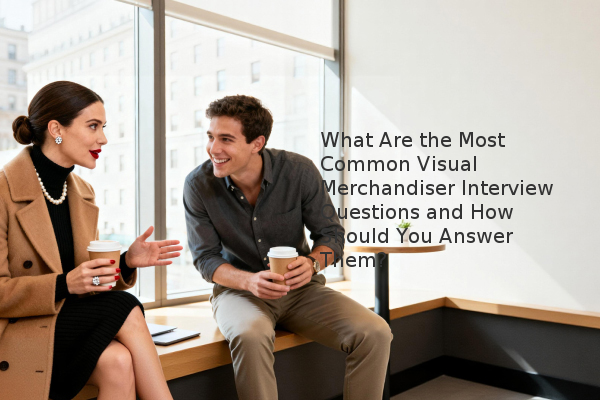
To successfully prepare for your visual merchandiser interview: practice your answers aloud, tailor your responses to the specific company, and prepare thoughtful questions to ask the interviewer. Bringing a physical or digital portfolio is essential to visually demonstrate your skills and past work. Based on our assessment experience, candidates who can articulate the business impact of their creative work, not just the aesthetic, significantly increase their chances of success.


 Share
Share