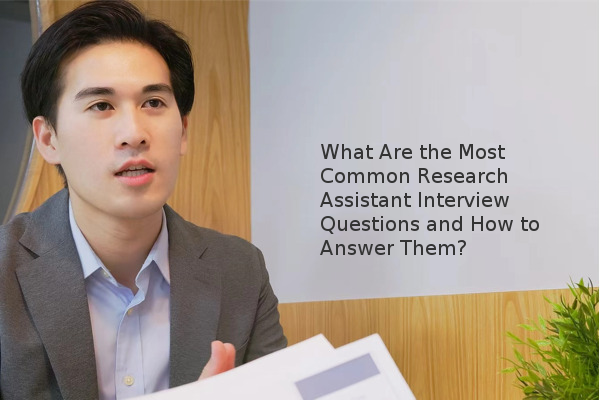
Preparing for a research assistant interview involves anticipating a mix of general, experience-based, and in-depth questions designed to assess your qualifications, methodology, and fit for the role. Success hinges on demonstrating a clear research process, intellectual curiosity, and the ability to work both independently and collaboratively. This guide breaks down the key question categories and provides actionable strategies for formulating compelling answers.
What is the purpose of research assistant interview questions?
The primary goal of a structured interview for a research assistant position is to move beyond the CV and evaluate your practical mindset and methodological rigor. The interviewer, often the lead researcher, needs to ascertain if you can adapt to their specific workflow and provide valuable assistance. They are assessing core competencies such as attention to detail, problem-solving skills, and your understanding of research ethics. Essentially, the interview is a practical test of how you would function within their research ecosystem, requiring you to demonstrate both technical skills and collaborative potential.
What general and introductory questions should you expect?
The interview typically begins with broad questions to gauge your personality and motivation. These are not mere icebreakers; they set the tone and reveal your genuine interest in the academic path.
- Why do you want to work as a research assistant? Focus on your passion for the research field and your desire to contribute to knowledge creation, not just gaining a line on your CV.
- What are your greatest strengths and weaknesses? For strengths, directly link them to research tasks (e.g., "My meticulous nature is a strength for precise data entry."). For weaknesses, choose a real but manageable one and explain how you're working to improve it.
- Where do you see yourself in five years? Connect your long-term academic or research career goals to the skills you aim to develop in this specific position.
Preparing concise, authentic answers to these questions helps build rapport and shows you've seriously considered this career step.
How will your experience and background be explored?
Next, the conversation will delve into the specifics of your academic and professional background. Be ready to elaborate on every point in your application.
- Can you tell me about your favourite research topic? This tests your ability to articulate complex ideas with enthusiasm and clarity. Show your breadth of interest while demonstrating deep knowledge in one area.
- What was the subject of your master's thesis? Prepare a brief "elevator pitch" summary that highlights your research question, methodology, and key findings.
- Which of your skills qualifies you most for this position? Use this as an opportunity to directly match your skills (e.g., proficiency with data analytics software like SPSS or R) to the job description's requirements.
Your answers here should provide concrete evidence of your capabilities, moving from general statements to specific examples.
What in-depth and methodological questions will be asked?
The final segment often involves situational and technical questions that assess your hands-on research competence. These require detailed, thoughtful responses.
- What is your research process like? A strong answer outlines a systematic approach. For example: "I begin by conducting a comprehensive literature review using academic databases to establish a foundation. I then formulate a clear research question, design a methodology for data collection, and finally, analyze the data while maintaining rigorous documentation throughout." This demonstrates diligence and organization.
- How do you handle inconclusive research results? This probes your scientific integrity. A good response would acknowledge that not all research yields expected outcomes and emphasize the value of documenting the process and using the findings to refine future research questions.
- Are you more comfortable with quantitative or qualitative research? Be honest about your preference but emphasize your competency and willingness to work with both, showcasing flexibility.
How can you formulate effective answers?
Based on our assessment experience, effective preparation is the key to confidence.
- Use the STAR Method: When answering behavioral questions (e.g., "Tell me about a time you overcame a difficulty"), structure your response using the Situation, Task, Action, and Result framework. This ensures your answers are structured and impactful.
- Tailor Your Responses: Research the department or principal investigator's work thoroughly. Reference their specific projects to show genuine interest and initiative.
- Prepare Thoughtful Questions: Your questions for the interviewer are as important as your answers. Inquire about the research team's dynamics, opportunities for co-authorship, or the long-term goals of the project.
To maximize your chances, focus on demonstrating a clear, logical research methodology, a passion for the subject matter, and the collaborative spirit essential for a supporting role. Prepare specific examples from your past experiences and practice articulating them clearly.


 Share