Browse

Log in / Register
 Share

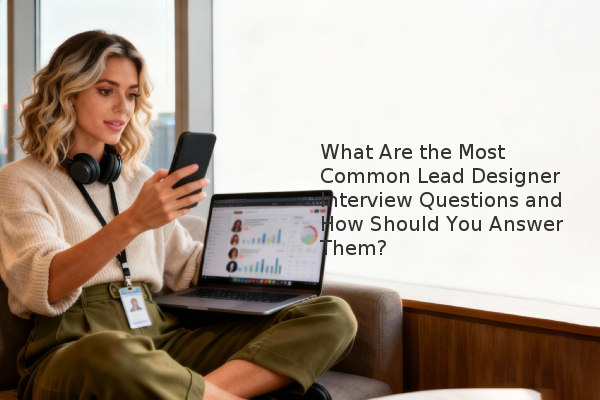
Acing a lead designer interview requires more than a strong portfolio; employers seek a balance of technical expertise, proven leadership, and strategic vision. Success hinges on anticipating common questions and preparing structured, impactful answers that demonstrate your value.
What Core Qualities Do Interviewers Look for in a Lead Designer?
When hiring for a lead designer role, employers conduct a candidate screening process to evaluate a blend of 'hard' and 'soft' skills. Beyond a keen aesthetic sense, they specifically assess:
What Are Common Lead Designer Interview Questions and How Can You Structure Your Answers?
Preparing answers using the STAR method (Situation, Task, Action, Result) ensures your responses are well-rounded and evidence-based. Here are key questions and frameworks for crafting your answers.
Can you describe your design process? This question tests your methodology and organizational skills. A strong answer outlines a repeatable, logical process. For example: "My process begins with intensive research to understand user needs and business goals. I then move to brainstorming and sketching, followed by creating high-fidelity prototypes. The final stages involve structured feedback loops with stakeholders and users, leading to refinement before final delivery." This shows strategic thinking beyond just creating visuals.
How do you handle feedback and criticism? This assesses your collaboration and professionalism. A compelling answer demonstrates emotional intelligence. You might say: "I view feedback as an essential part of the iterative design process. I actively listen, seek clarification if needed, and focus on the underlying goal of the criticism. Based on our assessment experience, separating personal preference from objective improvement leads to a stronger final product."
How do you approach a new design project? Here, interviewers want to see how you initiate work and align with business objectives. A sample answer structure: "I always start by gathering all available information on project requirements, target audience, and brand guidelines. I then conduct competitive analysis and stakeholder interviews to define clear, measurable success metrics before any design begins."
How do you balance innovation with practicality? This question probes your strategic judgment. A good answer acknowledges constraints while advocating for creativity: "I believe the best design exists within a framework of technical and business constraints. I pitch innovative concepts by clearly articulating their user value and ROI, but I also prepare viable, practical alternatives to ensure project viability."
What is your strategy for maintaining design consistency across multiple projects? This evaluates your ability to build and enforce a coherent brand identity. An effective answer could be: "I establish and maintain a design system—a comprehensive library of reusable components and guidelines. This ensures visual and functional consistency across all touchpoints, speeds up development, and empowers the entire team to work efficiently."
What are the most significant design trends right now, and how do you stay updated? This checks your industry engagement and continuous learning mindset. A credible response: "Currently, I'm focused on the rise of AI-assisted design tools and the emphasis on accessible, inclusive design. I stay updated by attending industry webinars, participating in design communities, and dedicating time each week to explore new tools and case studies."
To maximize your chances, prepare clear, concise stories that highlight your leadership and technical skills. Use the STAR method to structure your answers, and always link your design decisions back to business outcomes and user needs.