Browse

Log in / Register
 Share
Share
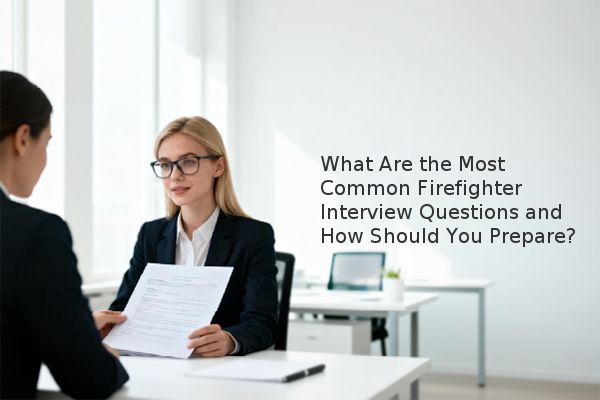
Successfully navigating a firefighter interview requires preparation for specific, behavior-based questions designed to assess core competencies known as Personal Qualities and Attributes (PQA). Based on our assessment experience, recruiters use a structured interview format—a standardized method where each candidate is asked the same predetermined questions—to evaluate your suitability for this high-stakes role. This guide breaks down the six key assessment areas with example questions and strategies for crafting compelling responses.
The interview process for firefighters often follows the National Firefighter Selection Process (NFSP), which includes both physical tests and a formal interview. The interview itself is typically competency-based, meaning each main question is followed by supplementary questions that probe deeper into your initial answer. This technique, often referred to as a behavioral interview, is used to understand how you have acted in past situations, as this is considered a predictor of future behavior. The goal is to assess your alignment with essential PQAs. Giving honest, detailed, and well-considered answers is therefore the most effective strategy.
These initial questions are designed to help you relax and demonstrate your motivation. While they may seem simple, they set the tone for the rest of the interview.
Recruiters need to be confident you possess the core attributes for the job. Your answers should provide concrete examples from your past experiences.
1. Working With Others? Teamwork is non-negotiable in firefighting. Your ability to collaborate effectively directly impacts crew safety and mission success.
2. Commitment to Diversity and Integrity? Firefighters serve entire communities and must treat everyone with fairness and respect. Integrity—being honest and accountable—is foundational to public trust.
3. Commitment to Excellence? This assesses your attention to detail, adherence to procedures, and dedication to high standards, even under pressure.
4. Commitment to Development? The fire service is constantly evolving. You must show a proactive approach to learning and accepting constructive feedback.
5. Effective Communication? You must convey complex information clearly and calmly to team members and the public during emergencies.
If you pass the interview, you will enter an intensive initial training program. The duration of recruit training can vary by service but generally follows a standard timeline. This training covers essential hands-on skills.
| Training Phase | Typical Duration | Key Focus Areas |
|---|---|---|
| Initial Recruit Training | 12 to 18 weeks | Hose laying, ladder safety, use of breathing apparatus, casualty extraction, fire science theory |
To maximize your chances of success: practice answering questions aloud using the STAR method, research the specific fire service extensively, and prepare thoughtful questions to ask the interview panel. Your preparation will demonstrate the very commitment and professionalism they are looking for.