Browse

Log in / Register
 Share

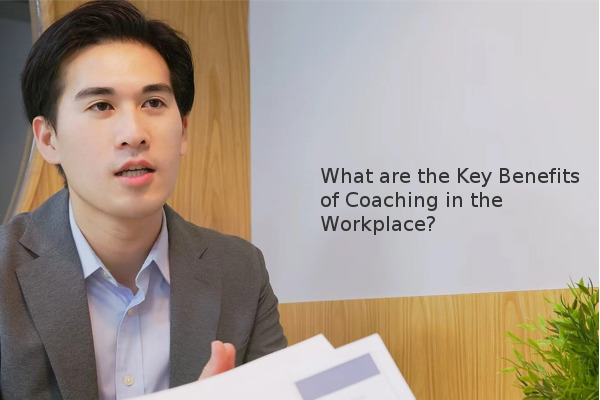
Coaching directly enhances organizational performance by improving productivity, boosting motivation, and fostering a healthier workplace culture. Based on established human resources standards, investing in professional coaching is a strategic move for companies aiming to develop talent and gain a competitive edge. This article explores the tangible benefits and different types of coaching available.
A primary goal of workplace coaching is to enhance individual and team output. Coaches often begin by observing current workflows to identify inefficiencies, such as bottlenecks in decision-making or poor collaboration. They then work with employees to develop strategies for improvement. This might involve imparting new soft skills—interpersonal attributes like communication and time management that enable someone to interact effectively—or helping a manager refine their leadership approach. By addressing these specific areas, coaching leads to more effective work habits and a significant rise in overall productivity.
Coaching addresses both external and internal motivation. External motivators include salary and benefits, while internal motivators relate to personal growth and job satisfaction. A coach can train managers on how to better recognize and reward their teams, improving external motivation. For individual employees, coaching sessions can help them reconnect with their career goals, find new meaning in their work, and increase their self-motivation. This focus on development is a powerful tool for talent retention, as employees who feel invested in are more likely to stay with an organization.
Even the most talented individuals need to work together effectively. Team coaching focuses on building trust, improving communication, and clarifying shared goals. A coach might use structured exercises or off-site retreats to help team members understand each other's strengths and working styles. This process transforms a group of individuals into a cohesive, collaborative unit where members complement each other's abilities, leading to better problem-solving and innovation.
Absolutely. While technical skills are often a hiring focus, soft skills are critical for long-term success. Coaching provides a safe environment for employees to practice and develop skills like conflict resolution, active listening, and negotiation. Unlike generic training, coaching can be tailored to an individual's specific needs, building confidence and competence in areas that directly impact their daily interactions and performance.
Organizations can choose from several coaching methodologies based on their needs:
In practice, the most effective coaching strategy is one that is aligned with clear business objectives. Whether the goal is to prepare a new manager, integrate a remote team, or shift company culture, a targeted coaching investment delivers measurable returns in employee engagement and organizational health.