Browse

Log in / Register
 Share
Share
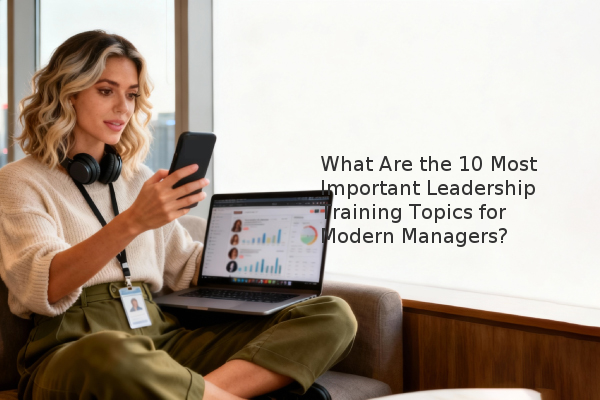
Effective leadership is a learned skill, not an innate talent. According to industry assessments, organizations that invest in comprehensive leadership development see significant improvements in employee retention and productivity. This article outlines the ten most critical leadership training topics, divided into foundational 'evergreen' skills and essential 'emerging' areas for the digital age.
These five topics form the core of effective leadership, regardless of industry changes. Mastering them builds a foundation of trust and competence.
Conflict Resolution Workplace conflict is inevitable, ranging from interpersonal disagreements to policy disputes. Effective conflict resolution involves guiding parties through a situation cognitively, emotionally, and behaviorally to reach a mutually acceptable solution. This skill is critical for building consensus, saving time, and fostering a cooperative environment that boosts retention.
Problem-Solving This skill involves identifying issues, analyzing them with data and reason, and implementing effective solutions. Training in problem-solving methodologies equips leaders to approach challenges with composure and confidence, turning potential obstacles into opportunities for growth and demonstrating strong leadership under pressure.
Decision-Making The ability to make timely, informed decisions is what often separates successful teams. Strong decision-making is based on evidence and reason, yet remains open to input from colleagues. This balance ensures long-term positive outcomes and earns the trust of your team.
Employee Satisfaction Employee satisfaction is a multi-faceted concept encompassing mental and physical well-being, as well as positive day-to-day work experiences. Leaders trained in this area understand how to cultivate a supportive environment that promotes teamwork. A satisfied employee is consistently more productive and engaged.
Project Management Effective project management includes meticulous planning, conscientious delegation, and adherence to timelines. Utilizing modern project management tools can streamline tracking, freeing up leaders to focus on coaching, communication, and leveraging individual team strengths for better overall outcomes.
The modern workplace is evolving rapidly. These five emerging topics are fundamental for leaders who want to stay ahead.
Technological Development Leaders must be able to evaluate and implement new technologies—from content management systems to collaboration platforms—that can enhance performance. An up-to-date workplace is better equipped to meet the demands of modern clients and support remote teams, making technological fluency a key leadership asset.
Virtual Leadership With the rise of remote work, virtual leadership has become a distinct skill set. This involves mastering digital communication tools to maintain team cohesion and provide effective mentorship through video conferencing and clear, intentional written communication. Leading a distributed team requires as much confidence and connection as leading in person.
Artificial Intelligence (AI) Understanding the potential and limitations of Artificial Intelligence (AI) is no longer optional. While AI can optimize processes, human skills like emotional intelligence, empathy, and ethical judgment are more valuable than ever. Effective leaders learn to work alongside AI, leveraging its capabilities while championing uniquely human strengths.
Mindfulness Mindfulness—the practice of being present and aware without judgment—is a powerful tool for reducing stress and enhancing emotional intelligence. Leaders who practice mindfulness can navigate workplace conflicts with greater empathy and clarity, and they can foster a more respectful and focused team environment.
Innovation Fostering a culture of innovation is crucial for staying competitive. Training in this area helps leaders encourage creative thinking and calculated risk-taking. This focus on growth and distinction not only meets evolving client needs but also increases employee satisfaction by making team members feel proud of their contributions.
Based on our assessment experience, a successful leadership development plan should balance timeless principles with adaptability to new trends. Focus on conflict resolution and problem-solving as your foundation, then integrate training on virtual leadership and AI to future-proof your skills. This dual approach ensures you can lead effectively today while preparing for the challenges of tomorrow.