Browse

Log in / Register
 Share
Share
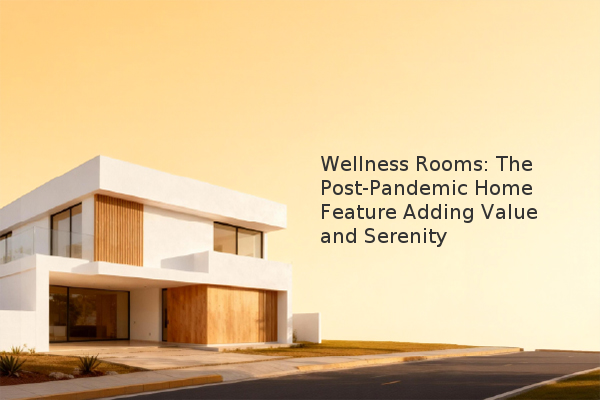
The dedicated home office's prominence is receding, making way for a new priority in residential design: the wellness room. As remote work patterns stabilize, homeowners are repurposing extra space to create dedicated zones for mental and physical recovery. This shift reflects a long-term trend where the home's value is increasingly tied to holistic well-being rather than just productivity. Based on our experience assessment, integrating a well-designed wellness space can enhance your daily life and potentially increase your property's appeal, particularly in competitive markets.
A wellness room is a dedicated space designed for restoration and mental clarity, distinct from a home gym focused on physical exertion. "Where a gym is focused on effort and output—lifting, cardio,movement—a wellness room is about recovery, restoration, and mental clarity," explains Joe Liebowitz, owner of a Los Angeles-based construction company. These spaces are incredibly versatile, tailored to individual wellness goals. They may include areas for meditation, sauna sessions, gentle yoga, or simply quiet reading. The core principle is creating an environment that supports physical, emotional, and spiritual health.
Wellness rooms can range from simple, minimalist spaces to sophisticated spa-like retreats. The most requested feature is often a sauna, acting as a centerpiece for many projects. Other popular, high-investment additions include cold-plunge pools, steam rooms, and red-light therapy equipment. However, a wellness room does not require a large budget. Effective spaces can be created with:
For a luxe feel, homeowners are incorporating built-in cabinets with beverage fridges, heated flooring, and soundproofing with acoustic panels or thick rugs. Designer Justin M. Riordan suggests creating distinct zones within a larger room—such as a yoga corner, a reading nook, and a breath-work space—to give the area purpose and structure.
The design aesthetic is crucial for fostering a calming atmosphere. Design experts recommend moving away from harsh overhead lighting in favor of purposeful, layered illumination. This includes dimmers, under-cabinet lighting, and spotlights on art or water features. For furniture and finishes, earth tones, soft whites, and matte textures are ideal. Incorporating tactile materials like linen, velvet, cork, and bamboo can enhance the sensory experience. Maximizing natural light with large windows and sheer curtains is also recommended, while ensuring the space is free from distractions through effective soundproofing.
A wellness room can add value, but the return on investment (ROI) depends on strategic choices. High-end, recovery-focused features like saunas and cold plunges require specialized plumbing and electrical work, which increases the project cost. "In a luxury home, a wellness room isn’t just a trend, it’s a smart investment," says Liebowitz, noting that wellness is becoming a cornerstone of home design. However, to maximize broad appeal, avoid overly niche features that might not resonate with all potential buyers. Instead, focus on versatile upgrades that feel luxurious but not exclusive. Crowd-pleasing elements like upgraded lighting, integrated sound systems, smart-climate controls, and floor-to-ceiling windows offer both aesthetic and functional benefits that appeal to a wider market.
To summarize, the key to a successful wellness room is aligning the design with your personal needs while considering future resale value. Prioritize features that promote genuine serenity and choose versatile, high-quality upgrades over highly specialized and expensive installations. This approach allows you to enjoy the space today while making a prudent investment in your home's future marketability.