Browse

Log in / Register
 Share
Share
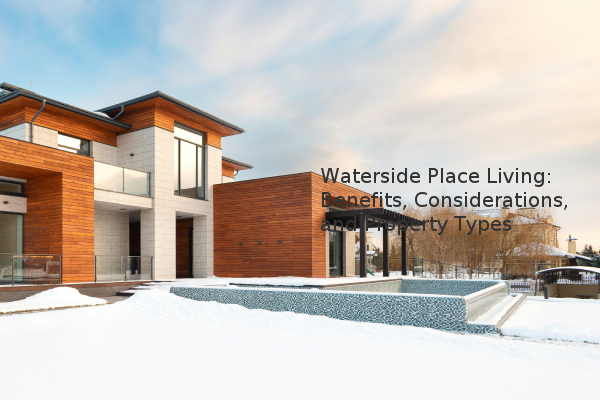
Living in a waterside place offers a unique lifestyle, combining scenic beauty with specific financial and maintenance considerations. This guide provides an objective overview of the advantages, key factors to evaluate before purchasing, and the common types of properties available. The decision to buy a waterfront or water-access property involves weighing the premium value against potential challenges like higher insurance costs and environmental regulations.
What are the primary benefits of a waterside property? The appeal of a waterside place is multifaceted. Properties with direct water access, such as a private dock or beach, provide unparalleled recreational opportunities like boating, fishing, and swimming. The aesthetic value of water views is a significant driver of demand, often contributing to a sense of privacy and tranquility. From an investment perspective, well-located waterside real estate typically maintains strong value and can appreciate at a rate above the market average due to limited supply. It's crucial to understand that these benefits are balanced by specific responsibilities and costs that are unique to this property class.
What key factors should you consider before buying? A thorough assessment is critical. Start with the cost of ownership, which extends beyond the purchase price. Flood insurance is a mandatory and substantial recurring expense in most waterside locations, separate from standard homeowner's insurance. You must also investigate any easements—legal rights for others to use a portion of the property, such as a public path to the water. Have a professional inspect the seawall or bulkhead (the structure protecting the shoreline from erosion) and the docking facilities for their condition and any needed repairs, which can be costly.
| Consideration | Description | Why It Matters |
|---|---|---|
| Flood Zone | Designation by FEMA indicating flood risk. | Directly impacts insurance premiums and requirements. |
| Shoreline Rights | Legal rights to access and use the water. | Varies by state; defines what you can do on the water. |
| Environmental Regulations | Local rules governing construction and landscaping near water. | Restricts modifications to protect the ecosystem. |
What are the common types of waterside properties? The term "waterside place" encompasses several distinct property types. A single-family home on a lake or river offers the most privacy and land. A condominium or townhome (a multi-level residence that shares walls with adjacent units) in a marina community provides water access with less maintenance responsibility. Coastal cottages are typically smaller homes located directly on oceanfront or bayfront land. Each type has different ownership structures, homeowner association (HOA) rules, and maintenance obligations for shared amenities like docks or beaches.
How does the purchase process differ? The transaction for a waterside property involves additional steps. The title search must be meticulous to confirm precise water rights and the absence of undisclosed easements. Lenders often require a specialized appraisal to accurately value the unique aspects of the property, which can take longer than a standard appraisal. It is highly recommended to work with a real estate agent and a home inspector who have specific experience with waterfront or water-access properties, as they are better equipped to identify potential issues.
Purchasing a waterside property requires a comprehensive evaluation of its lifestyle benefits against the unique financial and regulatory commitments. Key takeaways include: prioritizing a professional inspection of shoreline structures, obtaining detailed quotes for flood insurance, and verifying all water rights and land-use restrictions during the title process. Based on our experience assessment, understanding these factors is the most reliable path to a sound investment in a waterside place.