Browse

Log in / Register
 Share

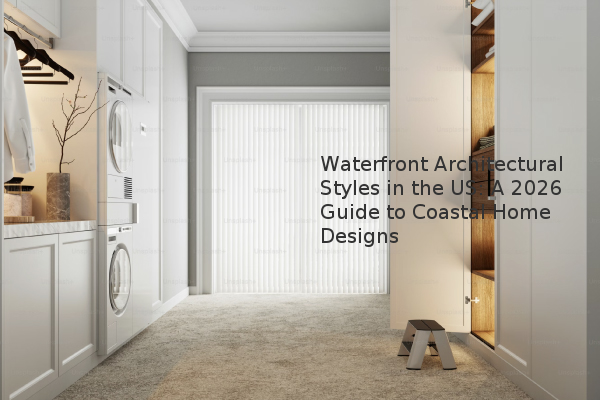
For homebuyers considering a waterfront property in 2026, understanding regional architectural styles is the first critical step. The most desirable coastal homes are designed to harmonize with their environment, from New England's harsh winters to Florida's hurricane season. The core conclusion is that your location dictates the architectural style, which in turn influences maintenance costs, insurance premiums, and long-term value. This guide explores the predominant styles across the US coastline, providing a foundational overview for your search.
Northeast coastal homes are built for durability against harsh weather. The quintessential style is the Cape Cod, named for the Massachusetts peninsula. These homes are characterized by a steeply pitched roof to shed snow, wood shingle siding, and a central chimney. Originally designed for practical New England winters, modern Cape Cods often feature updated interiors while retaining their classic, boxy frame. A key consideration for these freehold properties (where you own the building and the land outright) is the potential for higher property tax assessments due to their historic status and desirable locations. For example, classic, renovated Cape Cods in Massachusetts can range from approximately $600,000 to over $1.1 million, reflecting their enduring appeal.
Southeast coastal architecture prioritizes resilience against flooding and hurricanes. Stilt houses, or pilings, elevate the living quarters above storm surge levels. Common from the Florida Keys through the Carolinas, these homes often feature Craftsman or bungalow details, wide wraparound porches, and functional shutters. The raised design is a direct response to building codes in flood zones, which can significantly impact insurance costs. When purchasing a stilt home, a thorough inspection of the pilings and the electrical systems elevated within the structure is essential. Prices vary widely, but a functional stilt home in the Florida Keys can be found starting around $500,000, with costs rising sharply for larger properties or prime locations.
The Pacific Northwest's rugged coastline and abundant timber supply gave rise to the Craftsman style. This architecture emphasizes natural materials like wood and stone, with low-pitched roofs and broad porches to blend into the forested landscape. Another popular style is Mid-Century Modern, which uses expansive glass walls to integrate the home with stunning natural views of the water and forests. These homes require diligent maintenance due to the damp climate, particularly for wood siding and decks. Based on our experience assessment, waterfront properties in Washington State reflect this, with prices for classic Craftsman or view-focused modern homes often beginning near $800,000.
Dominating Southern California's coast, the Spanish Revival style is instantly recognizable by its red terra-cotta roof tiles, white stucco exterior walls, and arched windows and doorways. These designs are aesthetically suited to the arid, sunny climate. While stucco is durable, the tile roofs require periodic inspection. The premium for an authentic, well-located Spanish Revival home is substantial, with prices easily exceeding $1.5 million for properties steps from the beach. For buyers seeking the aesthetic without the direct coastal price tag, homes a short drive inland can offer more space at a lower cost, sometimes starting around $500,000.
When searching for a waterfront home in 2026, your budget must account for more than the listing price. Factor in region-specific insurance, potential flood zone compliance costs, and higher maintenance driven by salt air and weather exposure. Begin your search during the off-season for potentially better pricing and less competition. Ultimately, choosing a style that is both authentic to its region and resilient to local conditions is a sound long-term investment strategy.