Browse

Log in / Register
 Share

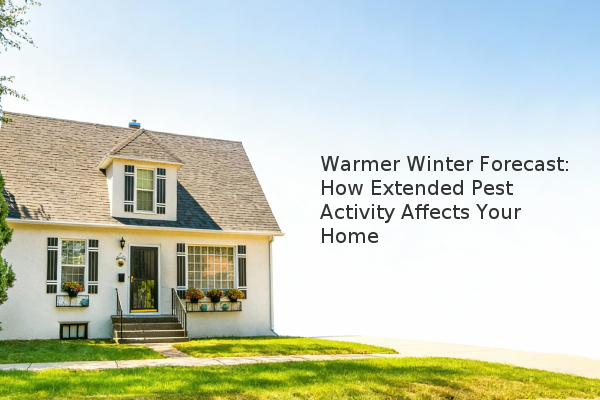
Milder-than-average winter temperatures are expected to extend pest activity well into the colder months across the United States, posing a continued threat to homes and properties. Based on a forecast from the National Pest Management Association (NPMA), this delayed cold season means rodents and insects will remain active longer, increasing the risk of property damage. Proactive pest control and home sealing are critical steps for homeowners to take now to prevent infestations that can compromise a home's structural integrity and value.
Typically, the first hard freeze of winter significantly reduces pest populations. However, the NPMA's Bug Barometer® forecast indicates that delayed cold temperatures will allow pests like ants, mosquitoes, ticks, mice, and rats to thrive for an extended period. Jim Fredericks, NPMA's senior vice president of public affairs, notes that this prolonged activity "puts people and pets at risk for longer than expected." For homeowners, this translates to a greater likelihood of pests seeking food and shelter indoors, leading to potential damage to wiring, insulation, and woodwork.
Pest threats vary significantly by region. Understanding the specific risks in your area is the first step in a targeted defense strategy.
Preventing an infestation is more effective and less costly than dealing with one after it has started. Integrated Pest Management (IPM), a multi-pronged approach that focuses on long-term prevention, is recommended by experts. Key actions include:
Protecting your home from pests is an essential part of property maintenance, especially under current weather forecasts. By sealing cracks, eliminating attractants, and addressing the landscape, you can defend your investment against the damage and devaluation that pests can cause. The most critical step is to act early before colder temperatures truly set in and force pests indoors.