Browse

Log in / Register
 Share
Share
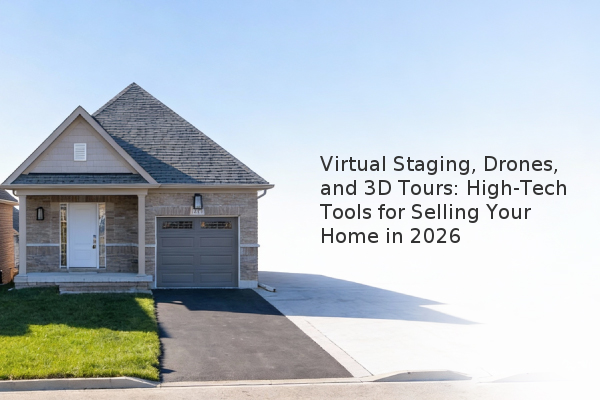
Leveraging technology like virtual staging, drone photography, and 3D virtual tours can significantly enhance a property's marketing, attract more qualified buyers, and potentially lead to a faster sale in today's competitive real estate market. Based on our experience assessment, these tools help buyers visualize a property's potential and understand its unique location, which are critical factors in the decision-making process. However, their use requires careful consideration of cost, ethical guidelines, and suitability for the specific property.
Virtual staging is the digital enhancement of property photos using software to add furniture, decor, and other aesthetic improvements. Unlike traditional home staging, which involves physically placing rental furniture in a home, virtual staging is performed on photographs, offering a flexible and cost-effective alternative. The primary goal is to help potential buyers visualize the space's potential, which is particularly useful for vacant properties or those with outdated décor.
The cost for virtual staging is typically around $100 per room, a fraction of the cost of physical staging, which can run up to $5,000 per month. This technique allows for incredible flexibility; a single room can be rendered in multiple styles (e.g., modern, traditional) to appeal to different buyer preferences. For instance, a vacant living room can be digitally furnished as a cozy family space or a formal entertaining area. It is critical, however, to maintain ethical standards. Permanent features, such as a water tower or electrical pylon, should never be removed from images, as this misrepresents the property. Altering temporary elements, like greening up a lawn or adding a fire to a fireplace, is generally considered acceptable.
Drone photography provides a unique perspective that highlights a property's location and context, which are often its most valuable assets. A drone shoot can capture stunning aerial views of the land, showcase proximity to amenities like beaches or parks, and provide a comprehensive understanding of the neighborhood layout. This is especially beneficial for properties with large lots, unique topography, or desirable locations.
The service cost generally ranges from $200 to $500 per session. It is important to hire a licensed FAA-certified drone operator. These professionals must adhere to strict regulations, including not flying within five miles of an airport and maintaining an altitude below 400 feet. A quality drone operator acts as a visual marketer, not just a pilot. Before hiring, review their portfolio to ensure they can tell your property's story effectively. An ethical drone photographer will not digitally remove permanent neighborhood features, providing an honest representation of the surroundings.
A 3D virtual tour creates an immersive, interactive model of a property that allows potential buyers to navigate from room to room remotely. This technology is a powerful tool for pre-qualifying buyers, saving time for both the seller and the agent by ensuring that only seriously interested parties schedule in-person viewings. For buyers, it offers the convenience of touring a home at any time, from anywhere.
The production of a 3D tour involves capturing 360-degree footage of each room, a process that can take about an hour per room, with post-production taking up to two days. The average cost is approximately $200. This tool is particularly valuable for out-of-state buyers and can enhance safety for real estate agents by reducing the number of unnecessary after-hours property showings. A well-produced 3D tour presents the home as a premium product, moving beyond simple smartphone photos to create a compelling, professional first impression.
The use of any marketing technology in real estate must be guided by transparency and honesty. The core ethical rule is clear: never permanently alter a property's defining characteristics. While it is acceptable to enhance aesthetics by digitally furnishing a room or improving lawn color, removing or hiding permanent structures (power lines, adjacent buildings) is misleading and can lead to legal complications and lost trust. Always disclose when images have been virtually enhanced. Your real estate agent should communicate to buyers that virtual staging or tours illustrate potential, not necessarily current reality.
To effectively integrate these tools into your selling strategy: