Browse

Log in / Register
 Share
Share
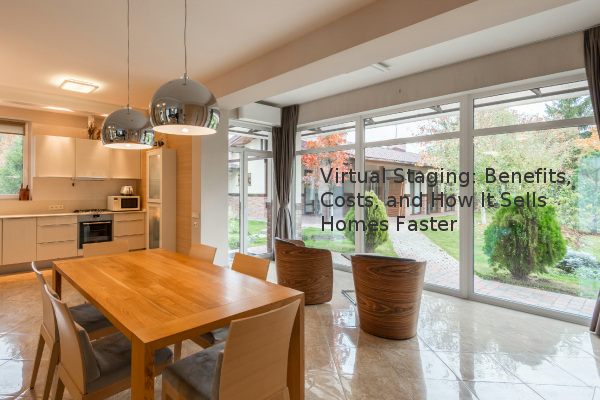
Virtual staging is a cost-effective digital marketing tool that uses computer-generated furniture and decor to enhance real estate listing photos. For sellers, the primary advantages are clear: it significantly reduces upfront costs compared to traditional staging, delivers photorealistic images in days, and helps vacant or outdated properties appeal to a broader pool of online buyers. This method leverages professional design to help potential buyers visualize a space's potential, often leading to increased online engagement and faster sales.
Virtual staging is the digital process of adding furniture, rugs, artwork, and other decor to photographs of empty or sparsely furnished rooms. Unlike traditional staging, which involves physically renting and placing items, virtual staging is performed by a graphic designer using specialized software. The result is a realistic image that showcases a home’s layout and potential without the logistical challenges. It is particularly beneficial for vacant properties, homes with dated decor, or for sellers operating on a tight budget.
Industry expert Young Kim from Bella Staging compares it to online dating: "Since almost all buyers start their search online, those listing photos are your home’s first date moment. The better they look, the better your chances of catching attention."
The most significant benefit of virtual staging is its affordability. While traditional home staging can cost thousands of dollars for furniture rental and professional services, virtual staging typically ranges from $39 to $199 per room. This price includes the digital designer's work to transform the space. There are no costs for moving, storing, or insuring physical furniture.
| Staging Type | Average Cost Per Room | Typical Timeline |
|---|---|---|
| Virtual Staging | $39 - $199 | 24 - 48 hours |
| Traditional Staging | $500 - $600+ | Several days to weeks |
In a fast-moving real estate market, time is critical. Virtual staging offers a remarkably quick turnaround. Once a photographer provides high-quality images of the empty rooms, a digital stager can often return the enhanced photos within 24 to 48 hours. This speed allows sellers to list their properties much faster than with traditional staging, which requires scheduling movers and stylists, a process that can take a week or more. This efficiency helps sellers capitalize on market momentum sooner.
Yes, a key advantage is design flexibility. A virtual stager can create multiple versions of a room in different styles—such as modern, farmhouse, or minimalist—to see which resonates best. This allows sellers to tailor the presentation to their target demographic without the cost of swapping out physical furniture. Young Kim notes, “Digitally you can... virtually stage the rooms with updated, on-trend pieces that can completely change the momentum of a listing.” This ability to experiment ensures the listing appeals to the widest possible audience.
To maximize effectiveness and maintain credibility, follow these guidelines:
Virtual staging is a powerful, accessible tool that enhances a property's online presence. By saving money and time while increasing buyer appeal, it delivers a strong return on investment for sellers aiming to compete in today's digital-focused market.