Browse

Log in / Register
 Share
Share
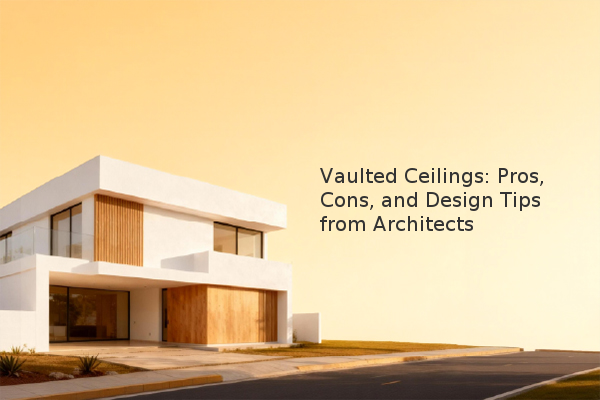
Vaulted ceilings can make a room feel larger, brighter, and more luxurious without expanding its footprint. This architectural feature adds significant visual height, enhances natural light, and increases property value. However, successful implementation requires careful planning for insulation, ventilation, and specialized lighting. Based on our experience assessment, vaulted ceilings are a worthwhile investment for creating an open, airy atmosphere, but proper structural and design considerations are critical to avoid issues with energy efficiency and maintenance costs.
The main advantage of a vaulted ceiling is its ability to transform the perception of space. By drawing the eye upward, it creates a feeling of grandeur and openness in a room that may have a standard square footage. This often allows for the addition of more or larger windows, significantly increasing natural light. Architect Dwayne Carruth of The Front Door Design Studio notes that this is "a great way to increase the visual height of a space" without altering the exterior walls. Furthermore, the added volume can improve air circulation and, when designed with energy efficiency in mind, contribute to a more comfortable living environment.
While aesthetically pleasing, vaulted ceilings introduce specific construction challenges. Proper insulation and ventilation are paramount to prevent moisture buildup and maintain consistent temperatures, which can impact energy bills. Experts like eNg Designs & Construction recommend incorporating baffles and ridge vents to ensure adequate airflow. The installation of drywall, molding, and lighting fixtures becomes more complex and often requires specialized equipment like scaffolding. For lighting and ceiling fans, sloped-ceiling adapters and extended downrods are necessary for safe and effective operation.
| Consideration | Key Requirement | Purpose |
|---|---|---|
| Ventilation | Baffles & Ridge Vents | Prevents moisture, regulates temperature |
| Lighting | Angled recessed fixtures, downrods | Ensures proper light direction and safe installation |
| Maintenance | Scaffolding for access | Required for cleaning and fixture changes |
Lighting is a crucial element for vaulted ceilings. The strategy should combine maximizing natural light with a thoughtful artificial lighting plan. Architect Rand Soellner recommends mounting ambient lighting approximately 10 feet off the floor and directing it upward to bounce off the ceiling, creating a warm, diffused glow instead of harsh beams. For windows, especially hard-to-reach ones, motorized window treatments are a practical solution. Ben Berger of Carolina Blind Crafters advises that "motorized roller shades ensure these windows feel intentional" while providing effortless control. Budgeting for solar-powered units can eliminate the need for frequent battery changes or inconvenient wiring.
To complement the scale of a vaulted ceiling without overwhelming the space, design choices should be intentional. Lighter paint colors on the ceiling help reflect light and enhance the feeling of openness. Waylon Chastain of Highlands Decorating Center cautions that dark stains or paints can absorb light and make the space feel heavy. For soft furnishings, long drapes in light fabrics like linen can soften angles and draw the eye upward, adding to the grandeur. The goal is to use texture and quiet patterns to add visual interest while maintaining a sense of airiness.
In summary, here are the essential steps for integrating a vaulted ceiling:
When executed with careful planning, a vaulted ceiling is a transformative design feature that adds significant value and aesthetic appeal to a home.