Browse

Log in / Register
 Share
Share
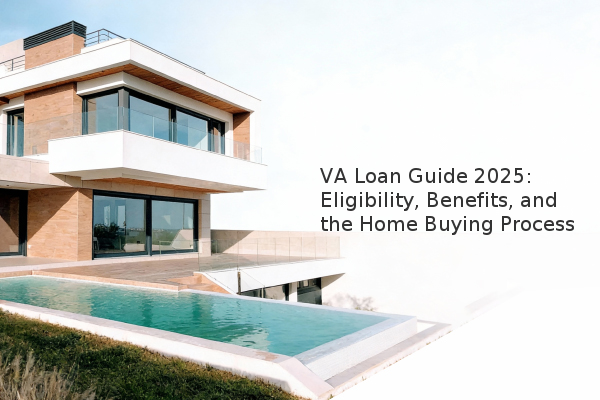
For eligible U.S. service members, veterans, and surviving spouses, a VA loan is a powerful home financing tool offering significant advantages, including no down payment and competitive interest rates. Backed by the Department of Veterans Affairs, this mortgage program is a cornerstone benefit for those who have served. This guide provides a clear, step-by-step breakdown of the 2025 VA loan process, from determining your eligibility to closing on your new home.
The core benefit of a VA loan is the ability to purchase a home with $0 down payment, a feature that dramatically lowers the barrier to homeownership. Unlike conventional loans that often require private mortgage insurance (PMI) with low down payments, VA loans do not require any ongoing mortgage insurance premiums. This can result in substantial monthly savings. Furthermore, VA loans typically offer more flexible credit requirements and limit the buyer's closing costs, providing a more accessible path to owning a property.
Eligibility for a VA loan is determined by your service history. Generally, you must have served 90 consecutive days during wartime, 181 days during peacetime, or six years in the National Guard or Reserves. Veterans with a dishonorable discharge are not eligible. The first step is obtaining your Certificate of Eligibility (COE), a document that verifies your service status to lenders. You can request this through the VA's online portal, via your lender, or by mail. Your COE is a prerequisite for moving forward with the loan application process.
It's important to note that while the VA guarantees a portion of the loan, private lenders issue the mortgages. Therefore, you must still meet the lender's credit and income standards. Lenders will assess your debt-to-income ratio (DTI), which is your total monthly debt payments divided by your gross monthly income. They will also review your credit score and employment history to ensure you can manage the mortgage payments.
A key cost associated with VA loans is the VA funding fee, a one-time charge paid to the VA that helps keep the program running for future borrowers. This fee is a percentage of the loan amount and can be financed into the total loan. The exact percentage depends on factors like your military category, down payment amount, and whether it's your first or subsequent use of the benefit. For example, in 2025, the funding fee for a first-time use with no down payment is 2.15% for regular military members.
| Borrower Type | Down Payment | First-Time Use Fee | Subsequent Use Fee |
|---|---|---|---|
| Regular Military | 0% | 2.15% | 3.30% |
| Reserves/National Guard | 0% | 2.40% | 3.30% |
| All (5% or more down) | 5% - 9.99% | 1.50% | 1.50% |
| All (10% or more down) | 10%+ | 1.25% | 1.25% |
Note: Fees are subject to change. Surviving spouses and veterans receiving VA compensation for a service-connected disability are exempt from the funding fee.
The process is similar to other mortgages but with specific VA-related steps. After securing your COE, you should get pre-approved by a VA-approved lender. This pre-approval letter strengthens your offer when you find a home. The next critical step is the VA appraisal, which is required to ensure the property meets the VA's Minimum Property Requirements (MPRs) for safety, security, and structural soundness. The appraisal also determines the property's fair market value.
Once the appraisal is satisfactory, the lender will finalize underwriting. This involves a final verification of your financial information and the property details. After underwriting approval, you'll proceed to closing, where you'll sign the final paperwork, pay any closing costs not covered by the seller, and receive the keys to your new home. Based on our experience assessment, the entire process from application to closing typically takes 45 to 60 days.
To successfully navigate the VA loan process in 2025, focus on these key actions: obtain your Certificate of Eligibility early, compare rates from multiple VA-approved lenders, and budget for the one-time VA funding fee. Understanding these components will empower you to leverage your well-earned benefit effectively and make a confident entry into the housing market.