Browse

Log in / Register
 Share
Share
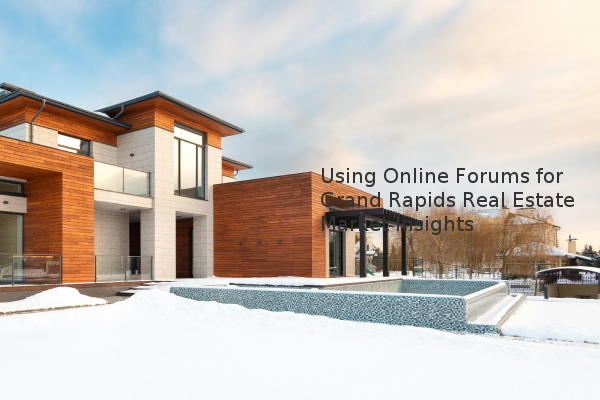
For those researching the Grand Rapids real estate market, local online forums can be a valuable source of unfiltered, crowd-sourced information. The core value lies in accessing firsthand experiences from residents, buyers, and sellers, which can complement traditional market data. However, it is crucial to verify this anecdotal information against official sources like MLS (Multiple Listing Service, the primary database of properties for sale by real estate brokers) data and professional advice to avoid misinformation.
These community-driven platforms are often used to discuss neighborhood-specific details that are not always apparent in standard listings. Users frequently share insights on topics such as the pace of the market in specific zip codes, experiences with local home inspectors, or opinions on upcoming developments. You might find threads discussing the perceived value of homes in areas like Eastown versus Heritage Hill, or questions about property taxes in Kent County. This ground-level perspective can help you form a more nuanced understanding of what it's like to live and own property in a particular area, going beyond simple price-per-square-foot metrics.
The primary advantage is the access to real-time, experiential knowledge. While official market reports provide aggregated data, forum conversations can reveal current sentiments—such as whether multiple-offer situations are becoming more or less common. This can be particularly useful for understanding seasonal trends or the immediate impact of local news on buyer/seller behavior. Based on our experience assessment, these platforms often serve as an early indicator of shifting market dynamics before they are fully reflected in quantitative data reports.
A significant risk is encountering biased or inaccurate information. Posts can be influenced by individual emotions, unique circumstances, or even unverified rumors. It is essential to approach all advice with a critical eye. Always cross-reference any critical information, such as property values or legal procedures, with authoritative sources. For valuation, consult a licensed appraiser or a real estate agent's comparative market analysis. For legal or tax questions, such as those regarding property transfer taxes (a fee levied by the state or local government when a property changes owners), consult a real estate attorney or official government websites.
To use these insights effectively, treat them as one piece of a larger research puzzle. Start by identifying common themes or repeated mentions of specific issues across multiple posts and users. For example, if numerous people independently mention high demand for homes in a specific school district, that is a stronger signal than a single opinion. Then, use that qualitative information to guide your formal research. If forums suggest a neighborhood is up-and-coming, you can then analyze hard data from the local Realtor association or city planning department to investigate further.
In summary, while online community forums offer a unique window into the Grand Rapids housing market, their value is maximized when used as a supplementary tool. The most effective strategy involves balancing crowd-sourced anecdotes with verified data from professional and official channels to make well-informed real estate decisions.