Browse

Log in / Register
 Share

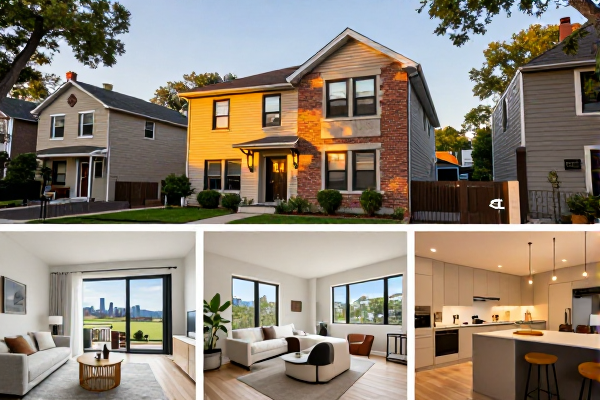
In 2026, using a specific ZIP code is the most precise method for researching real estate markets and property values in New York. A ZIP code, an acronym for Zone Improvement Plan, is a postal code system used by the United States Postal Service (USPS) to efficiently route mail. For home buyers, sellers, and investors, focusing on a ZIP code level provides hyper-localized data that city-wide or county-level analyses often miss, revealing critical trends in pricing, inventory, and neighborhood dynamics that directly impact real estate decisions.
New York's real estate landscape is famously fragmented, with significant value fluctuations occurring within just a few blocks. A search limited to "New York" is too broad to be practical. By narrowing your focus to a specific ZIP code, you gain access to a clear picture of the local market. This approach allows you to analyze comparable properties ("comps") with high accuracy, understand the pace of sales, and identify unique neighborhood amenities or challenges. For instance, the average home value in the 10014 ZIP code (West Village, Manhattan) is profoundly different from that in the 11211 ZIP code (Williamsburg, Brooklyn). This granularity is essential for making informed offers, setting competitive listing prices, or assessing investment potential.
Leveraging ZIP code-level data involves examining several key metrics. The most telling indicators include Median Sale Price, Price Per Square Foot, and Days on Market (DOM). The following table illustrates hypothetical market data for three distinct New York ZIP codes based on 2026 Q1 trends, demonstrating the variance you can expect:
| ZIP Code | Neighborhood (Example) | Median Sale Price (Home) | Price Per Sq. Ft. | Avg. Days on Market |
|---|---|---|---|---|
| 10014 | West Village, Manhattan | $2,450,000 | $2,200 | 45 |
| 11211 | Williamsburg, Brooklyn | $1,250,000 | $1,150 | 30 |
| 11355 | Flushing, Queens | $750,000 | $650 | 22 |
This data, which should be sourced from local multiple listing services (MLS) or reputable real estate data aggregators, reveals distinct market conditions. A lower DOM in Flushing suggests a faster-moving market compared to the West Village, which could influence negotiation strategy.
Beyond sale prices, a ZIP code directly determines your annual property tax and other municipal costs. Property tax is a levy on real estate assessed by local government, which is used to fund schools, infrastructure, and public services. Tax rates can vary significantly between municipalities and even within different areas of a large city like New York. Furthermore, property transfer taxes—fees imposed by state or local governments when a property changes hands—can also be influenced by location. Searching for the specific tax rates and exemptions applicable to your target ZIP code is a non-negotiable step in calculating the true cost of ownership. An otherwise attractive price can be offset by unusually high property taxes.

To effectively navigate the complex New York real estate market, always drill down to the ZIP code level. This focus provides the precise data needed for accurate pricing, reveals location-specific costs like property taxes, and ultimately empowers you to make a confident and well-informed real estate decision.