Browse

Log in / Register
 Share
Share
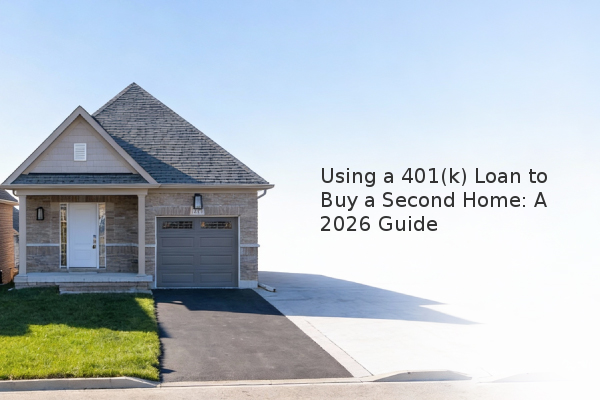
Purchasing a second home for retirement is achievable with strategic financing, such as borrowing from a 401(k), as demonstrated by a couple who recently acquired a property in South Carolina for $364,000—$36,000 below the initial asking price. This approach, combined with careful negotiation and long-term planning, can make homeownership accessible even while managing dual mortgages. Key factors include understanding loan terms, prioritizing home features for aging in place, and leveraging market conditions to secure a favorable deal.
A 401(k) loan allows individuals to borrow against their retirement savings, which can be a flexible option for funding a down payment. In this case, the couple obtained a four-year loan from their 401(k) at a 9% interest rate, with repayments going back into their account. This method avoids external lenders but carries risks; for instance, defaulting incurs penalties. Based on industry assessments, 401(k) loans are suitable for short-term needs, but it's crucial to consult a financial advisor to evaluate impact on retirement goals. Data from the Employee Benefit Research Institute (2025) indicates that about 13% of 401(k) participants use loans for major expenses like real estate, highlighting its popularity. However, borrowers should ensure stable income to avoid jeopardizing their nest egg.
When considering a 401(k) loan, assess the repayment schedule and interest implications. The couple prioritized this due to their high household income of $400,000, which allowed them to manage dual mortgages without strain. For others, alternative options like HELOCs (Home Equity Lines of Credit) or traditional mortgages might be more appropriate, depending on creditworthiness and equity. Ultimately, using retirement funds requires balancing immediate housing needs with long-term financial security.
Selecting a retirement home involves evaluating features that support aging in place, such as single-level layouts and minimal maintenance. The couple avoided HOAs (Homeowners Associations), which often impose fees and rules, and instead sought character-rich properties with ground-floor primary bedrooms. This aligns with AARP recommendations (2024) emphasizing accessibility and community integration for older adults. Additionally, they prioritized locations near family and amenities, which enhances quality of life.
The home, built in 1910, was renovated with modern updates like a new HVAC system and kitchen, blending historic charm with functionality. When shopping for a retirement property, focus on universal design elements—such as wider doorways and lever handles—that accommodate mobility changes. Proximity to healthcare, social activities, and transportation is also critical. The couple's choice in a friendly, small-town setting with community events underscores the importance of lifestyle fit beyond mere aesthetics.
Effective negotiation can lead to significant savings, as seen when the couple purchased the home at its appraisal price of $364,000 after it was listed at $385,000. An appraisal is a professional assessment of a property's value, often required by lenders. They capitalized on the seller's price drop and lack of competing offers, presenting a strong case based on the appraisal report. Researching comparable sales and property history, such as the land split from 0.86 to 0.43 acres, strengthened their position.
Working with a knowledgeable real estate agent facilitated this process. Agents can provide market insights and handle communications professionally. In slow markets, buyers might offer below asking, but always justify with data. The couple's due diligence on the land—discovering the seller's intent to sell part separately—allowed them to insist on the full property, avoiding potential issues like unwanted development. Bold offers backed by evidence often yield better outcomes than emotional bidding.
To successfully buy a second home using a 401(k) loan, ensure stable income for repayments and prioritize properties that support long-term retirement needs. Always negotiate based on objective appraisals and market data to secure fair pricing. Planning for dual mortgages may require temporary lifestyle adjustments, such as reducing vacations, but can lead to rewarding outcomes. By learning from this experience, prospective buyers can navigate similar paths with confidence.