Browse

Log in / Register
 Share


For budget-conscious homebuyers in 2026, purchasing a used mobile home for sale can be a viable path to homeownership. The primary advantages are significant cost savings compared to traditional site-built houses and a faster acquisition process. However, a successful purchase requires careful attention to financing, inspection, and the nuances of land ownership—whether you plan to rent a lot in a mobile home park or own the land outright. This guide provides a clear, step-by-step assessment to help you navigate the market for used mobile homes confidently.
The appealingly low listing price is just the beginning. A used mobile home's total cost includes the home's price, transportation fees if it needs to be moved, setup costs, and ongoing expenses like lot rent (the monthly fee paid to the community where the home is located) or property taxes if you own the land. Financing a used mobile home is often done through a chattel loan, which is a personal property loan used when you do not own the land beneath the home. Unlike traditional mortgages, chattel loans typically have higher interest rates and shorter terms. You must also budget for insurance, utilities, and potential homeowners' association (HOA) fees.
| Cost Component | Estimated Range (2026) | Notes |
|---|---|---|
| Home Purchase Price | $20,000 - $80,000 | Varies by size, age, and condition |
| Transportation (if needed) | $5,000 - $15,000 | Based on distance and home size |
| Installation & Setup | $3,000 - $8,000 | Includes anchoring, utility hookups |
| Skirting | $2,000 - $5,000 | Necessary for insulation and aesthetics |
Never purchase a used mobile home without a professional inspection. While a seller may provide a clear title (the legal document proving ownership), it does not guarantee the home's structural or mechanical condition. Key areas to scrutinize include the roof for leaks or soft spots, the floor for sponginess or rot, and the underpinning for rust or damage. Check all plumbing, electrical systems, and appliances. Look for signs of water damage, mold, or pest infestation. An inspector familiar with HUD-code homes (manufactured homes built after 1976 to federal standards set by the Department of Housing and Urban Development) can identify issues specific to this type of construction.
This is the most critical long-term decision. Renting a lot in a manufactured home community offers less control but more flexibility. You must understand the lot rent agreement, which includes rules, potential annual rent increases, and what amenities are covered. Owning the land your mobile home occupies provides greater stability and equity buildup but involves higher upfront costs and responsibilities like land maintenance and paying property tax. If you choose to rent, research the park's reputation and financial health. If you choose to buy land, ensure it is zoned for mobile homes and has access to necessary utilities.
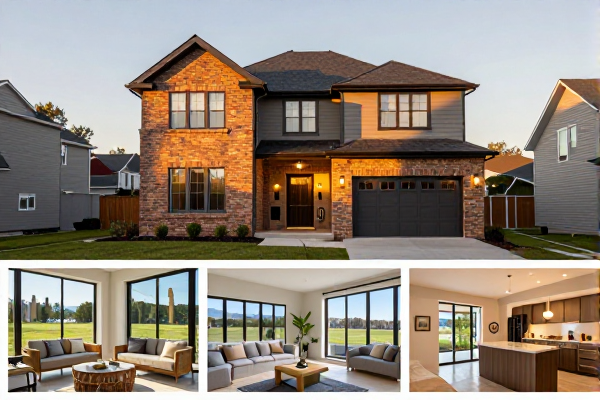
The buying process involves making an offer, securing financing, and closing the sale. A crucial step is the title search and transfer to ensure there are no existing liens or ownership disputes. It is highly recommended to purchase title insurance for a used mobile home, which protects you and your lender from financial loss due to defects in the title. The closing process may be handled by a real estate attorney or a title company, depending on your state's laws. They will oversee the final paperwork, the transfer of funds, and the official recording of the title in your name.
Purchasing a used mobile home requires a methodical approach to avoid costly mistakes. Based on our experience assessment, the key to a successful investment is a professional inspection, a clear understanding of financing options like chattel loans, and a strategic decision about land ownership. Always verify the home's title and secure title insurance for protection. By focusing on these critical areas, you can make an informed decision and secure an affordable housing solution in the 2026 market.