Browse

Log in / Register
 Share
Share
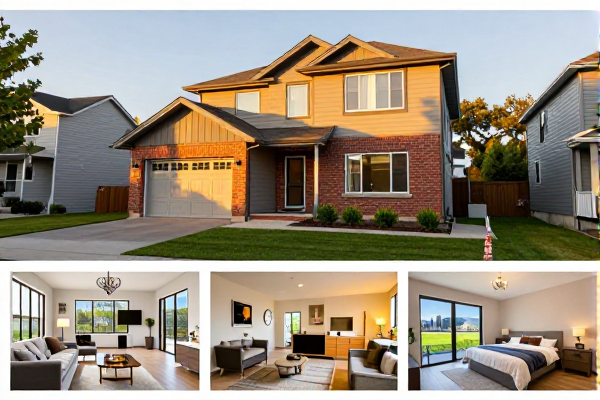
A USDA Rural Development Loan is a government-backed mortgage program offering zero down payment financing for eligible homebuyers in designated rural and suburban areas. For 2026, this program remains a powerful tool for moderate-income households seeking homeownership without the barrier of a large upfront cash investment. The core benefits include competitive interest rates and more flexible credit guidelines compared to conventional loans, making it a pivotal option for qualifying individuals and families.
What is a USDA Rural Development Loan? The USDA loan, formally known as the Section 502 Single Family Housing Guaranteed Loan Program, is insured by the U.S. Department of Agriculture. Its primary mission is to promote homeownership and improve the quality of life in less densely populated communities. Unlike a conventional loan that often requires a 5% to 20% down payment, a USDA loan requires $0 down, significantly reducing the initial cost of purchasing a home. The program is designed for borrowers who meet specific income limits and are purchasing a property in a USDA-eligible area.
2026 Eligibility: Location, Income, and Credit Requirements Eligibility for a USDA loan hinges on three main criteria: property location, household income, and creditworthiness.
| Eligibility Factor | Typical 2026 Requirement |
|---|---|
| Down Payment | 0% |
| Minimum Credit Score | 640 (lender-dependent) |
| Debt-to-Income (DTI) Ratio | Preferrably below 41% |
| Property Type | Primary Residence Only |
| Income Limit | Up to 115% of Area Median Income |
Key Benefits and Potential Drawbacks to Consider The most significant advantage is the $0 down payment requirement. Additionally, USDA loan interest rates are often lower than those for conventional loans, saving borrowers money over the life of the loan. However, there are two main costs to understand. All USDA loans require both an Upfront Guarantee Fee (1% of the loan amount) and an Annual Fee (0.35% of the loan amount), which are used to sustain the program. The Upfront Fee can be financed into the loan, and the Annual Fee is included in your monthly mortgage payment. It's also crucial to remember that these loans are strictly for primary residences; investment properties and second homes are not permitted.
The USDA Loan Application Process in 2026 The process is similar to other mortgages but with the added step of USDA approval. First, you should get pre-approved by a lender who is approved to originate USDA loans. This will clarify your budget. Then, you work with a real estate agent to find a home in an eligible area. Once under contract, your lender will compile your application and submit it to the USDA for final guarantee approval. While the property must meet basic safety standards, the USDA appraisal is generally less rigorous than some other government-backed loans.
Is a USDA Loan the Right Choice for You? This loan is an excellent fit for buyers who do not have significant savings for a down payment but have stable income and decent credit. It is particularly advantageous for first-time homebuyers or those looking to relocate to more affordable, community-oriented areas. Before proceeding, carefully weigh the long-term cost of the guarantee fees against the immediate benefit of no down payment.
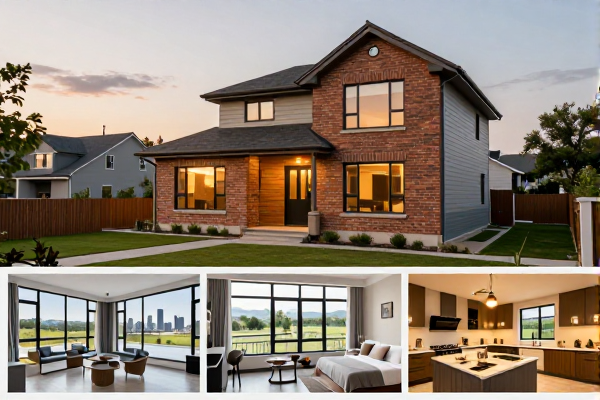
To maximize your readiness for a USDA loan application in 2026, focus on verifying your eligibility using the official USDA online tools, review your credit report for any discrepancies, and gather documentation for stable income history. This preparation will streamline your path to homeownership.