Browse

Log in / Register
 Share

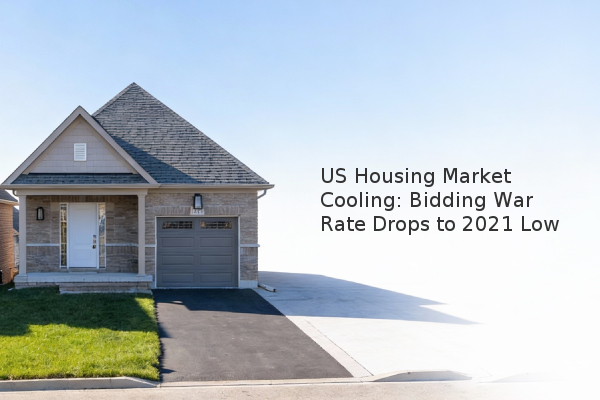
The US housing market is cooling, with the bidding war rate dropping to a 2021 low of 58.8% in August as buyer fatigue over high prices and a seasonal slowdown ease competition. Key indicators show a shift: fewer homes are selling above list price, and properties are staying on the market longer. This data suggests that while sellers still hold an advantage, buyers are gaining slightly more negotiating power for the first time in months.
What is Causing the Slowdown in Housing Market Competition?
The intense competition that defined the early 2021 market is subsiding due to a combination of seasonal patterns and buyer resistance. Based on industry data, the bidding war rate—defined as an offer facing at least one competing bid—fell to 58.8% in August, down significantly from its peak of 74.3% in April. This decline correlates with a drop in the percentage of homes selling above their asking price, which fell from 55% in July to 50% by early September. The typical seasonal slowdown as families focus on the back-to-school period is a factor, but the primary driver appears to be buyer exhaustion with record-high prices. Many buyers are no longer willing to pay the large premiums that were common just a few months ago.
Which Metro Areas Still Have the Hottest Markets?
While the national trend is cooling, competition remains fierce in specific metropolitan areas, particularly those attracting remote workers and boasting strong local economies. According to the latest data, the following metros had the highest bidding war rates in August 2021:
| Metropolitan Area | Bidding-War Rate (August 2021) |
|---|---|
| Raleigh, NC | 86.7% |
| San Francisco / San Jose, CA | 70.7% |
| Tucson, AZ | 70.5% |
| Cincinnati, OH | 70.4% |
| Salt Lake City, UT | 68.1% |
Markets like Raleigh's Research Triangle, a tech hub with highly-rated schools, continue to see an influx of out-of-state buyers, sustaining high competition. This indicates that location-specific demand continues to override broader cooling trends in certain hotspots.
What Does This Mean for Buyers and Sellers?
For buyers, the cooling market offers a window of opportunity. You may encounter slightly less competition and more room for negotiation, especially for homes needing repairs. Sellers, however, must adjust their strategies. Pricing a home accurately from the start is more critical than ever. As one example illustrates, a seller in Orlando had to reduce their asking price by $4,000 and agree to a $7,000 roof replacement to attract offers—a scenario less likely during the peak spring market.
In summary, the US housing market is undergoing a predictable adjustment. For buyers, this means less frenzied conditions. For sellers, it necessitates realistic pricing and a willingness to address property issues. The key takeaway is that the market remains favorable for sellers, but the extreme peak has passed.