Browse

Log in / Register
 Share

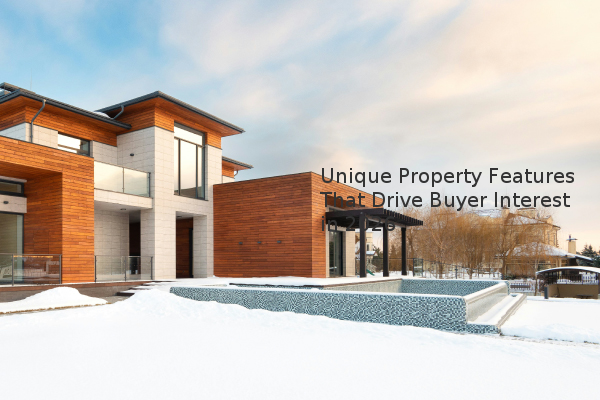
Unique architectural details, historical significance, and distinctive amenities are driving exceptional buyer interest in today's real estate market. Properties with character-defining features—from original hardwood floors to custom-built recreational spaces—are commanding attention and often selling quickly, even at premium price points. This trend underscores a growing buyer preference for homes offering more than just square footage.
What Defines a Historically Significant Property?
Historically significant properties, often designated by local or national preservation societies, maintain their original architectural integrity while incorporating modern comforts. These homes typically feature period-specific details that have been preserved or restored. For example, a Federal Colonial home built in 1844 might include wide-plank pine flooring, a grand staircase, and numerous original fireplaces. The key to valuing such a property lies in the quality of preservation. Buyers should always commission a specialized inspection to assess the condition of historical elements and estimate maintenance costs, as renovations require period-appropriate materials and skilled craftspeople.
How Do Pop Culture Connections Impact Property Value?
A property's appearance in popular media, such as a television series, can create immediate, though sometimes volatile, buyer interest. This phenomenon, often referred to as the "screen tax" or premium, is based on the property's newfound fame. While this can significantly increase a property's market visibility and perceived value, it's crucial to assess its long-term investment potential separately from its temporary celebrity status. The intrinsic value of the home—its location, size, and condition—remains the primary factor for long-term appreciation. Based on our experience assessment, the premium for a pop culture connection may stabilize or diminish over time, making a thorough standard appraisal essential.
Are Unique Recreational Amenities Worth the Investment?
Custom amenities like treehouses, indoor "birdhouse" rooms, or extensive outdoor living spaces can greatly enhance a property's appeal and functionality. These features often cater to specific lifestyles, such as those seeking a vacation retreat or an entertainment-focused home. From a resale perspective, the return on investment for highly unique amenities varies. While they may attract a smaller, more targeted pool of buyers, they can also justify a higher asking price for the right purchaser. It is important to differentiate between professionally installed, permitted structures and novelty features, as the former adds tangible value while the latter may be seen as a personal preference.
What Should Buyers Consider with Rural and Land-Heavy Properties?
Properties set on multiple acres, such as a 65-acre hunting cabin parcel or a 6-acre farmstead, offer privacy and space but come with distinct considerations. Buyers must investigate zoning regulations, land use restrictions, and access to utilities. A property without running water or indoor plumbing, for instance, requires a significant adaptation in lifestyle and potentially costly infrastructure upgrades. Prospective owners should confirm the availability of essential services like electricity, internet, and waste disposal before committing to a rural purchase. The adjacency to conserved land can be a benefit, but it may also limit future development options.
When evaluating any unique property, focusing on the fundamental aspects of the real estate transaction is paramount. Obtaining a clear title, securing appropriate insurance coverage for distinctive features, and understanding any property tax implications are non-negotiable steps. While character and charm are powerful吸引因素, a sound structural foundation and a legally straightforward purchase protect your investment for years to come.