Browse

Log in / Register
 Share

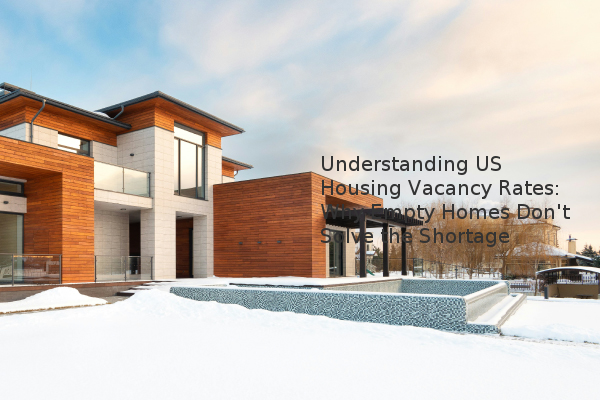
Despite the presence of over 5 million vacant homes across major US metropolitan areas, the national housing supply remains critically low, keeping home prices elevated. A 2026 analysis confirms that the vast majority of these empty properties are not available for purchase, debunking the myth that vacancy rates indicate an oversupply of housing. The core issue is a fundamental mismatch between the type of vacant units and the urgent need for primary residences.
What are the main reasons homes sit vacant?
The term "vacant home" is often misunderstood. It does not typically refer to abandoned or dilapidated properties. Based on industry data, vacancies are primarily temporary and fall into three distinct categories. The most common reason a unit is unoccupied is because it is currently on the rental market. As new rental inventory has been built, rental vacancy rates have seen an increase, meaning these units are actively seeking tenants, not buyers. The second largest category consists of properties used for seasonal, recreational, or occasional use. This includes vacation homes, timeshares, and hunting cabins that are empty for significant portions of the year. The third reason is for personal or family use, such as a homeowner holding onto a property for future family members or while deciding its long-term fate.
Why don't vacant properties increase the housing supply for buyers?
The critical factor is that vacant homes are rarely part of the active for-sale inventory. A property being offered for rent or held as a vacation home does nothing to alleviate the pressure on the for-sale market. Homeowner vacancy rates remain near historic lows at approximately 0.9%, indicating an extreme scarcity of homes available for purchase. Furthermore, vacancies are often transient; a home between tenants or a seasonal property closed for the winter is not a permanent addition to the supply. The underlying shortage of homes built to meet population growth over the past decade is the true driver of the supply crisis. The available data does not support the conclusion that these vacant units represent a meaningful, accessible reservoir of housing for potential buyers.
How do vacancy rates impact housing prices?
The existence of millions of vacant homes is unlikely to cause a decline in housing prices. More nuanced factors are the primary drivers of home values. The for-sale market remains undersupplied by more than 20% compared to pre-pandemic levels, creating a competitive environment that sustains high prices. Key determinants include the property's location, current mortgage rates, and the home's square footage. While rental vacancy has crept higher, this has a more direct impact on rental prices than on the for-sale market. The persistent gap between buyer demand and the number of homes available for purchase continues to be the most significant factor keeping prices elevated across most US metros.
Which metropolitan areas have the highest and lowest vacancy rates?
Vacancy rates vary significantly by region, often reflecting local economic and seasonal trends. Popular vacation destinations typically show higher vacancy rates. For example, metros like New Orleans and Miami often top the list, with rates in the double digits. This is largely because demand for short-term rentals is highly seasonal, leading to a surge in empty properties during the off-season. Conversely, markets with lower vacancy rates, such as Portland, Oregon, often have a tighter housing supply overall, contributing to higher median home values. In these competitive markets, a vacancy rate below 5% indicates very few available units, whether for rent or for sale.
Conclusion: Key Takeaways for Buyers and Investors
For anyone navigating the 2026 real estate market, understanding vacancy data is crucial. The central lesson is that a high metro-level vacancy rate does not equate to a buyer's market. The type of vacancy matters most. When assessing a market, focus on the homeowner vacancy rate and the months' supply of for-sale inventory, as these are the true indicators of purchasing competition. Do not assume that seasonal vacancy spikes in tourist areas will lead to discounted home prices, as these properties are rarely for sale. The national housing shortage is a problem of available, desirable primary residences, not a lack of structures. Therefore, the persistence of high prices is a predictable outcome of this fundamental supply-demand imbalance.