Browse

Log in / Register
 Share

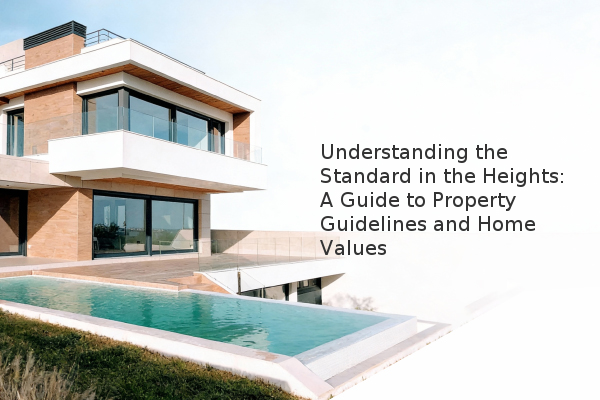
The "Standard in the Heights" refers to the specific set of design guidelines, architectural standards, and property maintenance codes that preserve the unique character and uphold the property values within this historic Houston neighborhood. For homeowners and prospective buyers, understanding these standards is not just about compliance; it's about recognizing how these rules directly influence market desirability, investment stability, and community aesthetics. Adherence to these guidelines is a critical factor in maintaining the area's premium real estate valuation.
The standards are comprehensive, covering aspects from exterior materials to landscaping. A primary focus is on architectural integrity, which often requires that new constructions or major renovations reflect the historic styles prevalent in the neighborhood, such as Victorian, Craftsman, or bungalow designs. This means restrictions on modern building materials like vinyl siding may be in place, with a preference for traditional wood or fiber-cement. Furthermore, the guidelines govern setbacks (the distance a house must be from the property line), fence heights and styles, and even the approval process for exterior color changes. The goal is to ensure any alteration contributes positively to the district's cohesive historical streetscape.
The enforcement of a high standard acts as a protective mechanism for property investments. By preventing incompatible or low-quality developments, the neighborhood maintains its distinctive appeal, which in turn sustains demand among buyers. This controlled environment often translates into a price premium for homes in historic districts compared to similar homes in areas without such protections. The standards mitigate the risk of a neighboring property making alterations that could negatively impact your home's value. Essentially, you are buying into a community with a guaranteed level of aesthetic and structural quality, which is a significant market advantage.
Before initiating any exterior work, homeowners must typically submit plans to a design review committee or a historic preservation officer. This process, often referred to as receiving a Certificate of Appropriateness (COA), is a mandatory step for projects visible from the public right-of-way. The committee evaluates the proposal against the established standards to ensure compatibility. While this adds a layer of bureaucracy, it is a crucial step for enforcing the guidelines. It's advisable to factor in this review timeline, which can take several weeks, when planning any renovation project to avoid delays and potential compliance issues.
For buyers, it's essential to work with a real estate agent experienced in historic districts who can clarify which properties are subject to these standards. For current homeowners, proactive maintenance is key. "Based on our experience assessment," neglecting necessary repairs can lead to violations and more costly fixes down the line. When planning improvements, always consult the official guidelines first and engage contractors familiar with the specific requirements of The Heights. The following table outlines common project types and their typical review requirements:
| Project Type | Likely Requires COA? | Key Consideration |
|---|---|---|
| Exterior Repainting (Same Color) | No | Always verify with the guidelines. |
| Exterior Repainting (New Color) | Yes | Color palettes are often restricted. |
| Roof Replacement (Like-for-Like) | Maybe | Material and color must match standards. |
| New Fence Installation | Yes | Height, material, and style are regulated. |
| Adding a Deck or Porch | Yes | Design must complement the home's architecture. |
| Window Replacement | Yes | Maintaining the original sash profile is often required. |
Navigating the "Standard in the Heights" successfully requires due diligence and a respect for the neighborhood's heritage. Prospective buyers should review the guidelines during the due diligence period, while homeowners should view the standards as a tool for protecting their investment. By understanding and adhering to these rules, you contribute to the long-term vitality and value of one of Houston's most sought-after communities.