Browse

Log in / Register
 Share
Share
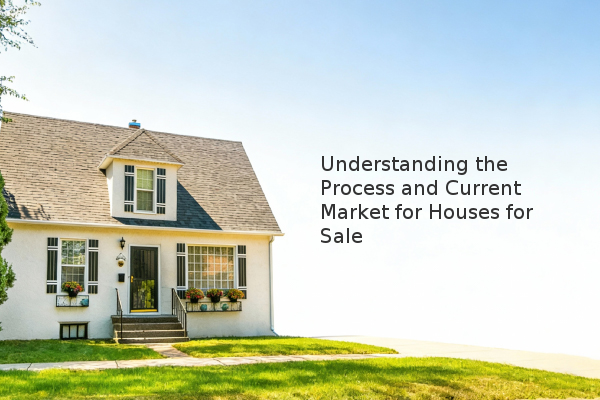
Navigating the market for houses for sale requires a clear understanding of current pricing trends, the step-by-step purchasing process, and strategic preparation. The core conclusion is that success hinges on financial readiness, including mortgage pre-approval, and a methodical approach to home viewing and negotiation. This guide outlines the essential steps from search to closing.
What Are the Current Market Conditions for Houses for Sale? The real estate market is dynamic, influenced by factors like interest rates and housing inventory. A seller's market occurs when demand from buyers exceeds the number of houses for sale, often leading to competitive bidding and higher prices. Conversely, a buyer's market, with more available homes than buyers, can provide more negotiating power. To assess value, buyers should analyze recent sales of comparable properties, known as a comparative market analysis (CMA). A CMA is a report that compares the property in question to similar properties that have recently sold, are currently on the market, or were listed but did not sell in the area.
| Metro Area | Median Sale Price (Q1 2024) | Year-over-Year Change |
|---|---|---|
| National Average | $420,800 | +5.7% |
| Midwest | $318,000 | +6.9% |
| South | $375,000 | +4.5% |
| Northeast | $479,000 | +7.2% |
| West | $633,000 | +3.1% |
Source: Based on data from a major real estate index, seasonally adjusted.
How Should You Prepare Financially Before Viewing Houses for Sale? Before you seriously begin your search, securing your finances is the most critical step. The first action is to obtain a mortgage pre-approval. This is a letter from a lender stating the loan amount you are qualified to borrow, based on a preliminary review of your credit, income, and assets. A pre-approval signals to sellers that you are a serious and capable buyer. You should also budget for the down payment, which is a percentage of the home's purchase price paid upfront, and closing costs, which typically range from 2% to 5% of the home's price and cover fees for services like the appraisal and title insurance.
What is the Step-by-Step Process from Search to Closing? The journey from finding a house to owning it involves several key stages. After identifying a potential property, your real estate agent will help you submit a formal offer, including the proposed price and contingencies. A home inspection contingency is a clause in the purchase contract that allows you to have the property professionally inspected and potentially renegotiate or withdraw the offer based on the findings. If the offer is accepted, you will proceed with the mortgage application, the appraisal, and the title search. The final step is the closing, where ownership is legally transferred, and you receive the keys.
What Common Pitfalls Should Buyers Avoid? Even with preparation, buyers can encounter challenges. One common mistake is exceeding your budget due to emotional attachment to a property. It is crucial to stick to the financial limits established during the pre-approval process. Another pitfall is waiving important contingencies, like the inspection, to make an offer more competitive; this can lead to unforeseen and costly repairs after purchase. Additionally, failing to account for ongoing costs like property taxes, homeowners insurance, and maintenance can strain your finances long-term.
In summary, a successful purchase of one of the many houses for sale is a structured process.