Browse

Log in / Register
 Share

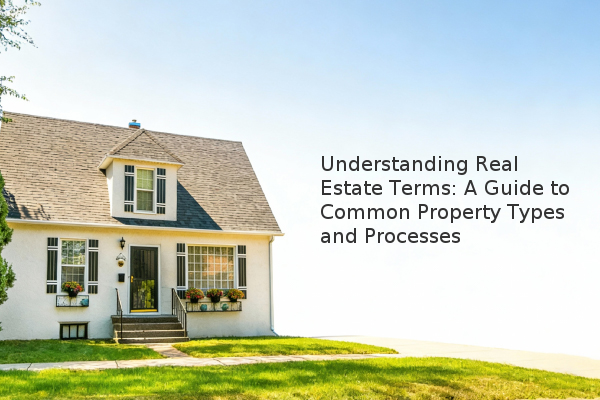
Navigating the US real estate market requires a firm grasp of its unique terminology. Whether you are buying, selling, or investing, understanding key terms is the first step toward making informed decisions. This guide clarifies essential real estate concepts, from property types like Freehold estates to financial considerations such as Property Tax and protective measures like Title Insurance. By demystifying this language, you can approach your real estate transactions with greater confidence and clarity.
When searching for a home, you will encounter several distinct property types, each with different ownership structures. A Single-Family Home is a standalone dwelling designed for one household, typically offering the most privacy. A Condominium (Condo), on the other hand, is a privately owned unit within a larger building or community, where owners share common areas and pay fees for their maintenance. Another common type is a Townhouse, which is a multi-level home that shares walls with adjacent properties but is owned, including the land it sits on. Understanding these distinctions is crucial for evaluating factors like maintenance responsibilities, homeowners' association (HOA) rules, and overall lifestyle fit.
The financial aspect of real estate involves several critical terms that directly affect your long-term costs. Property Tax is an annual ad valorem tax levied by local governments based on the assessed value of your property; these funds typically support community services like schools and infrastructure. When financing a purchase, a Mortgage is a loan secured by the property itself. It's vital to understand the difference between your principal (the amount borrowed) and the interest (the cost of borrowing). Additionally, Title Insurance is a form of indemnity insurance that protects lenders and homeowners from financial loss due to defects in a property's title, such as unknown liens or ownership disputes.
The journey from offer to closing involves a series of standardized steps. A critical component is the Closing Disclosure, a five-page form that provides the final details of your mortgage loan, including the loan terms, projected monthly payments, and all closing costs. You must receive this document at least three business days before your closing date for review. Another fundamental concept is Escrow, a neutral third-party account that holds funds and documents until all conditions of the sale are met. This process ensures that no money changes hands until the title is legally transferred, protecting both the buyer and the seller.
Ownership rights are another essential area. A Freehold estate refers to the outright ownership of land and any structures on it for an indefinite period. This is the most complete form of ownership common in the US. Sellers should be aware of their Fiduciary Duty if they list their home with a real estate agent. This is a legal obligation requiring the agent to act in the seller's best interest, encompassing duties of care, obedience, loyalty, disclosure, confidentiality, and accounting. For buyers, a Home Inspection is a crucial due diligence step where a qualified professional assesses the property's condition, from the foundation to the roof, identifying potential issues that may not be visible during a casual walkthrough.
To summarize, a successful real estate transaction hinges on understanding the language of the industry. Familiarize yourself with property types to match your lifestyle needs. Carefully review all financial obligations, including property taxes and mortgage details. Ensure you comprehend each step of the closing process and the protection offered by title insurance. By focusing on these key areas, you can navigate the market more effectively and make decisions based on knowledge rather than confusion.