Browse

Log in / Register
 Share
Share
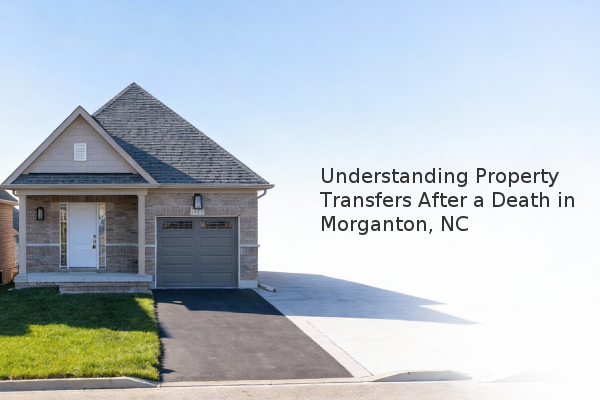
When a homeowner in Morganton, North Carolina, passes away, their property enters a legal process known as probate. This court-supervised procedure ensures the deceased's assets, including real estate, are distributed according to their will or state law. For anyone involved in an estate, understanding this process is critical to managing a smooth and lawful property transfer. The key takeaways are that the probate process dictates the timeline, an executor or administrator is legally responsible for managing the estate, and the property cannot be legally sold until the court grants authority.
What is the Role of the Executor in a Real Estate Transaction?
The person named in the will to manage the estate is called the executor. If there is no will, the court appoints an administrator. This individual has a fiduciary duty to act in the best interest of the estate and its beneficiaries. Their responsibilities regarding real estate include securing the property, maintaining it, and paying ongoing expenses like mortgages and property taxes. Most importantly, the executor must obtain a document from the probate court called Letters Testamentary (or Letters of Administration). This document is the official proof that they have the legal authority to list, sell, or transfer the deceased's real property. Without it, no legitimate transaction can occur.
How Does the Probate Process Affect the Sale of a House?
The probate process directly controls the timeline and method for selling a house. Initially, the property’s title is effectively frozen. The executor must identify all debts and taxes owed by the estate. Creditors are given a statutory period to make claims against the estate. Once these obligations are settled or provided for, the executor can petition the court for permission to sell the property. This sale might be conducted through a traditional MLS listing or, in some cases, a court-confirmed private sale. The proceeds from the sale are then used to pay any remaining debts, with the balance distributed to the heirs or beneficiaries as outlined in the will or by state law.
What are the Key Considerations for Heirs and Buyers?
Heirs inheriting property have several options. They can choose to sell the property, often using the proceeds to divide the value among multiple heirs equitably. Alternatively, one heir might buy out the others' shares to keep the home. It is crucial to get a professional appraisal to determine the property's fair market value at the date of death; this value becomes the new cost basis for tax purposes. For a buyer interested in a property being sold through probate, it is essential to work with a real estate agent experienced in such transactions and to ensure the seller’s representative has the proper court documents. Title insurance is also vital to protect against any potential claims from undiscovered heirs.
Navigating the complexities of a property transfer after a death requires careful attention to legal details. The probate process, while sometimes lengthy, provides a structured framework for transferring ownership. The executor's legal authority is the cornerstone of any transaction. Heirs and potential buyers should prioritize obtaining professional appraisals and securing title insurance. Ultimately, consulting with a qualified real estate attorney in North Carolina is the most reliable way to ensure all steps are handled correctly and efficiently.