Browse

Log in / Register
 Share
Share
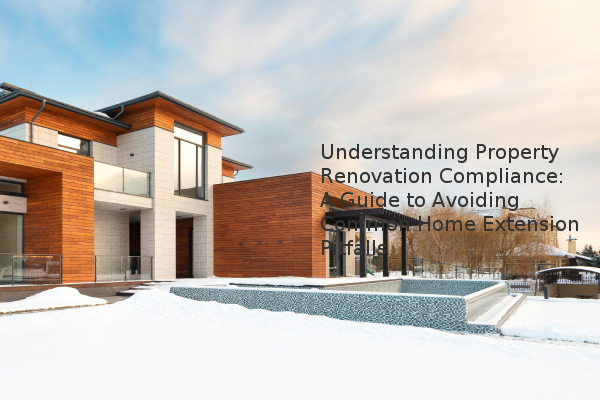
Navigating local building regulations is a critical first step for any property renovation. Failure to obtain proper approvals can lead to disputes with neighbors and local councils, as illustrated by recent high-profile cases involving new homeowners in the UK. This underscores a universal principle for property owners: conducting thorough due diligence on local zoning laws and potential environmental or historical site impacts is essential before commencing construction. Understanding your rights and obligations under "permitted development" rules can prevent costly legal and technical breaches.
The most frequent compliance problems arise when homeowners misunderstand the scope of their "permitted development rights." These rights allow certain building works and changes of use without needing to apply for full planning permission. However, they have strict limits on size, height, and location. A common issue is a "technical breach," where an extension technically exceeds these limits, even if the work is completed to a high standard. Other concerns often raised by neighbors and local planning councils include increases to local flood risk from changes in landscaping and drainage, as well as potential impacts on areas of archaeological significance, such as Roman remains or other historical sites. The onus is always on the property owner to report any historic remains uncovered during construction.
Before breaking ground, it is prudent to commission professional surveys. A flood risk assessment evaluates how your project might alter surface water runoff and impact surrounding properties. Similarly, an environmental impact assessment may be required if the property is near a protected area or a known archaeological site. Council documents often stipulate that the property owner is responsible for these evaluations. Proactively addressing these concerns in the planning phase can prevent objections from neighbors and ensure the project moves forward smoothly, avoiding enforcement action from the local council.
A successful renovation strategy is built on transparency and professional consultation. Based on our experience assessment, the following steps are highly recommended:
Successfully navigating the renovation process requires a clear understanding of local regulations, proactive risk assessment, and professional execution. By focusing on compliance from the outset, homeowners can achieve their property goals while maintaining good relations with their community and avoiding legal complications.