Browse

Log in / Register
 Share

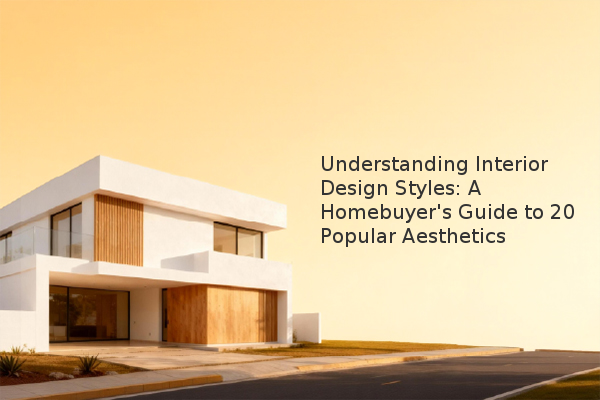
For homebuyers, sellers, and owners, understanding interior design styles is crucial for making informed real estate decisions. Whether you're looking to personalize a new purchase or effectively stage a property for sale, recognizing different aesthetics can significantly impact a home's appeal and perceived value. This guide breaks down 20 popular design styles, explaining their history, key elements, and current relevance in the U.S. real estate market.
Why Do Interior Design Styles Matter in Real Estate?
Interior design significantly influences a property's marketability. A well-defined style can create an emotional connection with potential buyers, potentially leading to a faster sale. Based on our experience assessment, homes staged with a cohesive and popular aesthetic often receive more competitive offers. Understanding these styles helps you identify a property's character, communicate your preferences to a real estate agent, and make strategic updates that enhance value without over-improving for the neighborhood.
1. Art Deco Originating in the 1920s, Art Deco is characterized by luxury and opulence. Key features include rich colors, bold geometric patterns arranged symmetrically, and lavish materials like mirrored surfaces and crystal. Furniture often features sleek, curved lines. This style is often found in older, character-rich properties.
2. Arts and Crafts A reaction to Victorian excess, the Arts and Crafts movement emphasizes craftsmanship and natural materials. Think handcrafted pottery, wood furniture, and a color palette of olive green, vermilion red, and earthy tones. Open floor plans and built-in cabinetry are hallmarks, commonly seen in Craftsman bungalows.
3. Biophilic Design This rapidly growing style focuses on connecting inhabitants with nature. It utilizes colors like greens, browns, and blues, and incorporates natural light, houseplants, and organic materials. Biophilic design is increasingly popular in new constructions aiming for a healthy, serene living environment.
4. Bohemian (Boho) Boho style is eclectic and personal, combining vintage finds, global patterns, and natural textures like rattan and wood. It emphasizes individuality with a mix of jewel tones and artfully mismatched furniture.
5. Coastal Evoking a relaxed, beach-side feel, Coastal style uses watery blues, crisp whites, and natural textures like sisal and pale woods. It's important to distinguish this from nautical themes; think "sea and sky" rather than anchors and shells. The goal is to create an airy, light-filled interior.
6. Contemporary Often confused with "modern," Contemporary design refers to what is popular right now. It's a fluid term that can encompass current iterations of other styles, from grandmillennial to industrial.
7. Farmhouse An umbrella term for a rustic, comfortable aesthetic, Farmhouse style features solid wood furniture, brick accents, and a focus on practicality. Sub-styles like 'Modern Farmhouse'—with its all-white palettes and clean lines—have proven highly appealing to a broad range of buyers.
8. Industrial Born from converted warehouses and factories, Industrial style embraces raw elements like exposed brick, ductwork, and concrete floors. Key items include subway tile, Edison bulbs, and minimalist metal furniture.
9. Japandi A blend of Japanese and Scandinavian design, Japandi balances minimalism with warmth. It uses a darker color palette (black, deep green) alongside light woods and clutter-free layouts, creating a serene, earthy, and airy feel.
10. Mid-Century Modern (MCM) Iconic and enduring, MCM is defined by clean lines, organic forms, and a focus on functionality. Think Eames chairs, open floor plans, and glass walls that blend indoors with outdoors. Its timeless appeal makes it a safe bet for resale value.
11. Transitional This highly popular style blends traditional and contemporary elements for a timeless, comfortable look. Colors are neutral and calming (grays, tans, ivories), with furniture that avoids stylistic extremes. Its broad appeal makes it an excellent choice for staging a home for sale.
12. Scandinavian (Scandi) Prioritizing light and comfort, Scandi design uses light woods, white walls, and simple color schemes to maximize natural light in darker climates. The philosophy revolves around harmony and well-made, essential furniture pieces.
13. Other Notable Styles
Practical Advice for Homeowners and Buyers
When evaluating a property, consider how its design style aligns with your goals. For sellers, neutral and broadly appealing styles like Transitional or Modern Farmhouse often yield the best results. For buyers, look beyond the current décor to the home's underlying architecture; a well-executed style that matches the home's bones is a sign of thoughtful maintenance. Focus on updates that enhance functionality and flow, as these provide the best return on investment regardless of aesthetic preferences.