Browse

Log in / Register
 Share
Share

The terms "graphite" and "Oakley" in a real estate context refer to contemporary design trends and material choices, specifically the use of graphite-colored finishes and the popularity of modern, functional aesthetics reminiscent of brands like Oakley. These elements are increasingly sought after for their ability to create sleek, durable, and low-maintenance living spaces that appeal to modern buyers. This article explores how these design choices influence property value, buyer perception, and marketability.
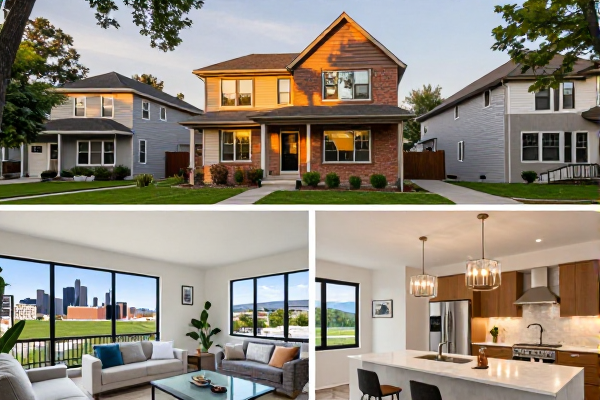
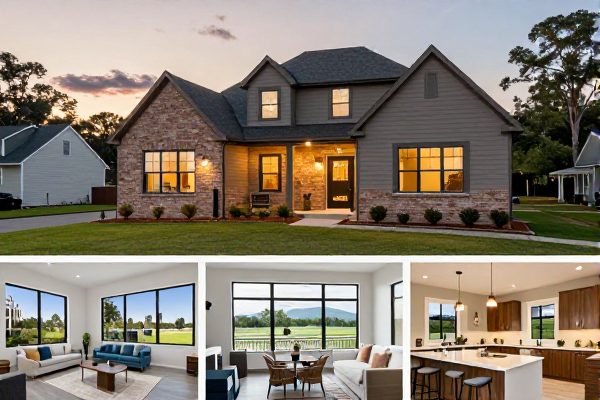
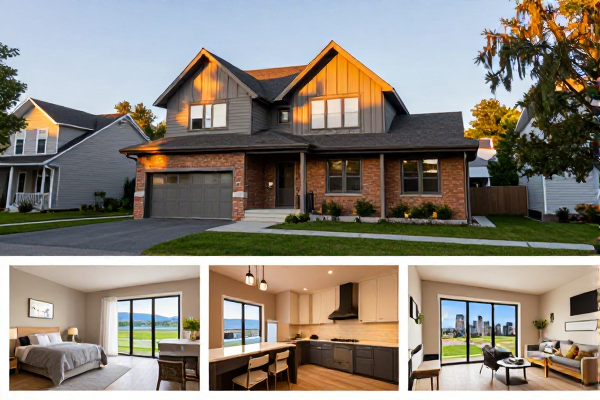
What are the benefits of graphite finishes in a home? Graphite, as a color scheme, encompasses a range of dark gray tones used for fixtures, appliances, and hardware. The primary benefit is its contemporary appeal and practical durability. Graphite finishes are known for their ability to hide fingerprints and water spots better than traditional stainless steel, making them ideal for high-traffic areas like kitchens and bathrooms. From a design perspective, graphite provides a neutral yet sophisticated backdrop that pairs well with various color palettes, from warm woods to cool whites. This versatility can make a property appear more modern and well-maintained, which are key factors for appraisals and buyer interest.
How does an "Oakley-style" aesthetic influence commercial real estate? The "Oakley-style" aesthetic implies a focus on innovation, high-performance materials, and a sleek, industrial-design ethos. In commercial real estate, particularly for offices or retail spaces, this translates to interiors that emphasize functionality and brand identity. Properties featuring polished concrete floors, exposed ductwork, and modular furniture systems can attract tech companies and startups that value a dynamic work environment. Incorporating these elements can significantly enhance a commercial property's tenant appeal, potentially allowing for higher rental rates. It's a design strategy that signals modernity and adaptability to prospective business tenants.
Are these trends a worthwhile investment for increasing property value? Investing in updates that incorporate graphite elements or a modern, functional aesthetic can offer a strong return, but it should be done strategically. Minor kitchen renovations, such as replacing hardware and appliances with graphite models, often yield a high return on investment. However, the key is to ensure the upgrades are consistent with the overall style of the home and the expectations of the local market. Over-customizing a property in a neighborhood that favors traditional designs may not yield the same benefits. Based on our experience assessment, targeted upgrades in key areas like the kitchen and primary bathroom typically have the most significant positive impact on resale value.
What should homeowners consider before adopting these trends? Before committing to a graphite color scheme or an industrial-inspired design, homeowners should evaluate several factors. First, consider the long-term maintenance; while graphite hides smudges, it may show dust more easily in certain lighting. Second, assess the neutrality of the choice. While currently popular, extremely bold interpretations of a trend may date the property faster than a more subdued application. Finally, it is crucial to review the project's scope and budget. A fresh coat of paint in a graphite hue is a low-cost update, whereas replacing all kitchen appliances is a major investment.
In summary, integrating graphite finishes and modern, performance-oriented design principles can enhance a property's marketability and perceived value. The most effective approach is to focus on high-impact, cost-effective updates that align with broader market preferences. Always consult with a local real estate professional to understand which improvements are most valued in your specific area before undertaking significant renovations.