Browse

Log in / Register
 Share

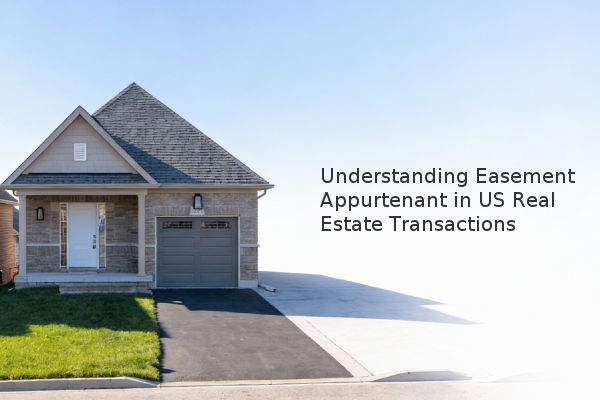
An easement appurtenant is a specific type of property right that allows one property owner (the dominant estate) to use a portion of a neighboring property (the servient estate) for a particular purpose. This right is permanently attached to the land itself, not the individual owner, meaning it transfers automatically when either property is sold. For home buyers and sellers, understanding this legal concept is critical as it directly impacts property value, usage, and future marketability.
What Exactly is an Easement Appurtenant?
An easement appurtenant is a non-possessory interest in real estate. The term "appurtenant" means it "runs with the land," creating a permanent relationship between two adjacent parcels. The most common example is a driveway easement, where a landlocked property (the dominant estate) has the legal right to access a public road by crossing a portion of a neighbor's land (the servient estate). Other examples include utility easements for power lines or drainage easements for water runoff. It is crucial to distinguish this from an easement in gross, which benefits a person or company (like a utility company) rather than a specific parcel of land.
How Does an Easement Appurtenant Affect Property Value?
The impact on property value depends on which side of the easement you are on. For the dominant estate, the easement can significantly increase value by providing essential access or utilities that would otherwise be unavailable. A landlocked property with a legally recorded access easement is far more valuable than one without any access. Conversely, the servient estate might see a slight decrease in value or marketability due to the encumbrance. Potential buyers may be hesitant about a property where others have a right to traverse or use a section of the land, which could limit building expansion or reduce privacy.
Key Considerations for Buyers and Sellers
For buyers, conducting thorough due diligence is non-negotiable. This involves reviewing the preliminary title report and plot plan during the escrow period to identify any recorded easements. Title insurance is vital, as it should protect against any undiscovered easements that emerge after purchase. Sellers have a legal obligation to disclose all known easements. Failure to do so can result in legal action from the new owner. If you are selling a servient estate, be prepared to provide all documentation and openly discuss the easement's location and terms with potential buyers to avoid future disputes.
Resolving Disputes and Modifying Easements
Disputes can arise over the scope, maintenance, or obstruction of an easement. The first step is always to review the original legal language creating the easement. If friendly negotiation fails, mediation or litigation may be necessary. Importantly, an easement appurtenant can only be terminated or modified under specific circumstances, such as a formal agreement between both property owners (merger if one owner buys both properties), abandonment, or expiration if a time limit was set. These actions typically require a legally recorded document to be effective.
To navigate a property transaction involving an easement appurtenant: