Browse

Log in / Register
 Share

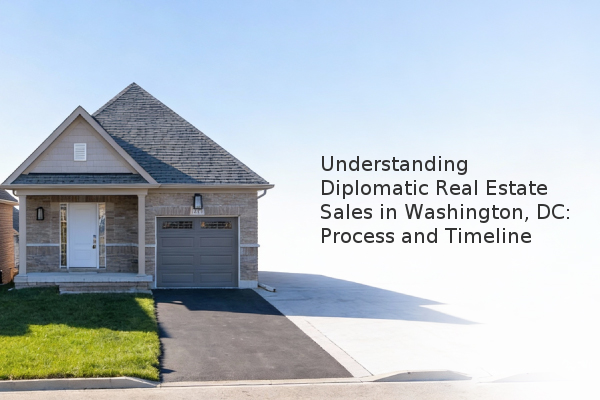
Foreign embassies in Washington, DC, engage in real estate transactions similar to private individuals, albeit with a significantly longer and more complex closing process. This article explains the key differences, focusing on extended timelines and necessary governmental approvals, based on an analysis of recent market activity. The primary distinction in diplomatic property sales is the mandatory involvement of the U.S. Department of State, which can extend the closing period to 60-75 days or more.
When a foreign mission decides to sell a property, the process begins like any other sale with listing the home. However, standard Title Insurance companies, which protect against losses from defects in a property's title, are not typically involved. Instead, the transaction requires a diplomatic note—a formal communication between the embassy and the U.S. State Department. This procedural requirement adds a substantial layer of time. Based on our experience assessment, a real estate agent must factor in an additional 30 to 45 days beyond a conventional closing window to accommodate this governmental review. This makes clear communication with potential buyers about the extended timeline absolutely essential.
Unlike individual investors, embassies generally do not acquire residential properties for investment or profit-driven reasons. Their purchases are typically for functional purposes, such as housing diplomatic staff and their families during extended postings. The properties involved are often large, custom-built homes designed to accommodate multiple residents and provide spaces for both work and family life. For example, a recent listing included a 18,000-square-foot home with five bedrooms, situated on a half-acre lot. The decision to sell is often tied to changing operational needs rather than market fluctuations.
Prospective buyers interested in a property owned by a foreign entity must practice patience and plan their finances accordingly. The extended closing period means mortgage rate locks may need to be longer, and moving plans must be flexible. These properties are often located in desirable, quiet neighborhoods popular with diplomats, academics, and professionals. While the purchase process is unique, the homes themselves can offer exceptional quality and generous proportions, having been built to high standards for their original occupants. Buyers should work with an agent experienced in these specialized transactions to navigate the procedural intricacies.
In summary, acquiring a property from a foreign embassy in Washington, DC, presents a unique opportunity but requires a clear understanding of the extended timeline. The key takeaway is to anticipate a closing process of 60 to 75 days due to mandatory State Department involvement. Securing an agent with specific experience in diplomatic sales is the most predictable path to a smooth transaction.