Browse

Log in / Register
 Share
Share
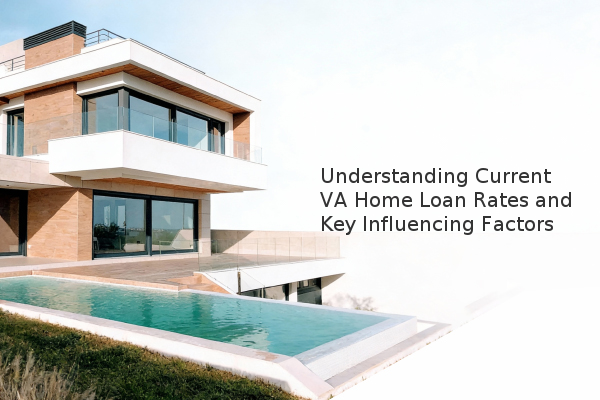
VA home loan rates are typically more competitive than conventional loan options, often resulting in significant long-term savings for eligible veterans, active-duty service members, and qualifying spouses. The actual rate you receive is influenced by your credit score, loan term, and market conditions. As of 2025, VA loan rates generally range from 0.25 to 0.50 percentage points lower than comparable conventional loans, a benefit of the government guarantee that reduces risk for lenders. This article breaks down the factors that determine your rate and how to secure the best possible terms.
A VA loan is a mortgage loan program established by the U.S. Department of Veterans Affairs (VA) to help service members, veterans, and their families achieve homeownership. A key feature is that the VA guarantees a portion of the loan, which protects lenders against loss if the borrower fails to repay the debt. This guarantee is the primary reason for the favorable interest rates. Because the lender assumes less risk, they can offer more competitive terms than would be available on the open market without such backing. It is crucial to understand that while the VA sets the program rules, private lenders like banks and mortgage companies set the actual interest rates.
Your personal financial profile plays a significant role in the rate a lender offers you. The most influential factors include:
VA loan rates are not issued in a vacuum; they are closely tied to broader economic forces. A primary driver is the movement of the 10-year U.S. Treasury yield, which serves as a benchmark for long-term mortgages. When the yield rises, mortgage rates tend to follow. Other macroeconomic factors include inflation data, Federal Reserve policy decisions, and overall economic growth indicators. When the economy is strong, rates often increase to curb inflation, whereas during economic uncertainty, rates may decrease to stimulate borrowing.
Securing the best rate requires proactive preparation. The most effective strategy is to shop around and obtain official Loan Estimates from multiple lenders. Based on our experience assessment, getting quotes from at least three different lenders can reveal a surprising range of rates and fees. Additionally, focus on improving your creditworthiness by reviewing your credit report for errors and paying down existing debt. Be prepared to provide thorough documentation of your income, assets, and VA eligibility (your Certificate of Eligibility). Finally, consider the timing and whether paying discount points aligns with your financial goals and how long you plan to own the home.
To maximize your savings, focus on improving your credit score, comparing offers from multiple lenders, and understanding the relationship between discount points and your break-even point. By taking these steps, you can confidently navigate the process and secure a VA home loan rate that supports your financial well-being for years to come.