Browse

Log in / Register
 Share
Share
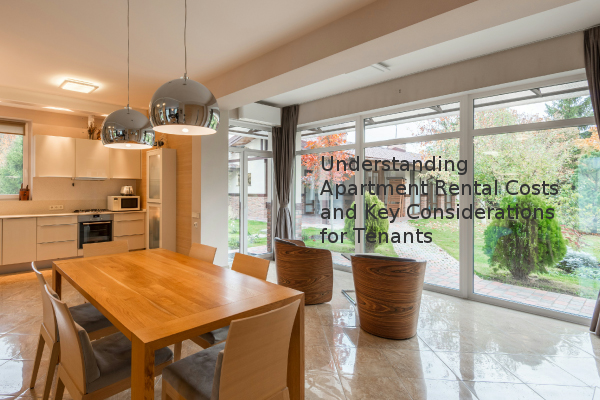
Navigating the apartment rental market requires a clear understanding of current costs and essential lease terms. The national median rent for a one-bedroom apartment is approximately $1,700, though this figure varies significantly by state and city. For prospective tenants, key considerations include understanding the lease agreement, calculating the true cost of renting beyond the monthly payment, and knowing your rights and responsibilities to avoid common pitfalls.
The advertised monthly rent is only one part of the financial picture. When budgeting for an apartment, you must account for several upfront and recurring costs. The security deposit is typically required before move-in and often equals one month's rent. This deposit is held to cover any damages beyond normal wear and tear. You may also encounter application fees, which cover the cost of background and credit checks. Additionally, many landlords require the first and last month's rent upon signing the lease. Don't forget to factor in recurring costs like utilities (electricity, gas, water, internet), which may or may not be included in the rental price. A thorough review of the lease agreement is critical to understand which utilities are tenant responsibilities.
An apartment tour is your opportunity to assess the property beyond online photos. Start by checking the functionality of all appliances, faucets, toilets, and electrical outlets. Look for signs of pests or water damage, such as stains on ceilings or warped flooring. Test the water pressure in the showers and sinks. Inquire about the building's amenities, parking situation, and garbage disposal processes. It's also wise to visit the neighborhood at different times of day to gauge noise levels and overall safety. Based on our experience assessment, documenting any existing damage with photos or video during the tour can protect you when reclaiming your security deposit later.
A lease is a legally binding contract, so understanding every clause is non-negotiable. Pay close attention to the lease term, rent due date, and late payment policies. Look for details on the pet policy, including any associated fees or deposits, if applicable. The agreement should clearly state maintenance and repair procedures—know whom to contact for emergencies and non-urgent requests. Critically, review the terms for lease renewal and termination, including any penalties for breaking the lease early. If any terms are unclear, seek clarification from the landlord or property manager before signing.
Rental prices are highly localized. The following table illustrates the approximate median rent for a one-bedroom apartment in select states, highlighting the significant geographic variation.
| State | Median Rent for 1-Bedroom Apartment |
|---|---|
| California | $2,500 |
| Texas | $1,400 |
| Florida | $1,800 |
| New York | $3,200 |
| Illinois | $1,750 |
Data sourced from aggregated industry reports, validity within one year.
These figures demonstrate that location is the primary driver of rental costs. Markets with high demand and limited supply, like New York and California, command a significant rental premium.
Many tenant issues stem from a lack of preparation or documentation. A common pitfall is failing to get a move-in inspection report signed by the landlord; this document records the property's condition at the start of your tenancy. Another mistake is not securing renter's insurance; while the landlord's insurance covers the building, it does not protect your personal belongings from theft or damage. Finally, avoid making verbal agreements; all promises from the landlord, such as repairs or amenity access, should be documented in writing, either within the lease or via a signed addendum.
To secure a suitable apartment, start your search early, budget for all potential costs, and meticulously review all documents. Understanding the full scope of your financial obligations and legal rights will lead to a more secure and positive rental experience. Always ensure all agreements are in writing to protect your interests as a tenant.