Browse

Log in / Register
 Share
Share
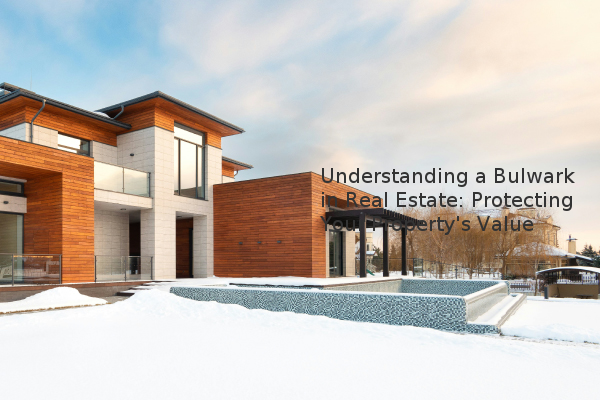
A bulwark in real estate is a structural feature or a strategic measure designed to protect a property from physical, financial, or legal harm. Essentially, it acts as a defensive barrier, safeguarding your investment's value and integrity against common threats. Understanding and implementing these protective measures is crucial for any property owner, as they serve as a primary defense against depreciation and liability.
What Constitutes a Real Estate Bulwark?
The term bulwark refers to any form of strong defense or protection. In the context of property ownership, this concept translates into tangible and intangible safeguards. A physical bulwark could be a retaining wall that prevents soil erosion on a sloped lot or a seawall that protects coastal properties from storm surges. An financial bulwark, on the other hand, includes measures like title insurance, which defends against ownership claims, or a robust emergency fund for unexpected repairs. The common thread is proactive risk management; by establishing these bulwarks, homeowners create resilience against forces that could otherwise diminish their property's value or lead to significant financial loss.
Common Threats and the Need for Protection
What are the risks that necessitate these defensive measures? Properties face a variety of threats. Environmental hazards like flooding, landslides, or termite infestations can cause severe structural damage. Market fluctuations can erode equity, while title defects—such as unknown liens or errors in public records—can jeopardize your legal ownership. Furthermore, deferred maintenance on critical systems like roofing or plumbing can escalate from a minor issue into a catastrophic failure. Each of these scenarios underscores why a multi-layered defensive strategy is not just advisable but essential for long-term investment security.
Key Bulwarks Every Homeowner Should Consider
Implementing effective protection involves several key areas. First, a thorough property inspection before purchase is a fundamental bulwark, identifying potential problems before they become your responsibility. Second, securing adequate insurance coverage—including homeowners, flood, and title insurance—creates a financial safety net. Third, regular maintenance acts as an ongoing bulwark against decay; this includes cleaning gutters, servicing HVAC systems, and repainting exteriors to prevent water damage and rot. For specific risks, specialized bulwarks like engineered drainage systems or foundation anchors may be necessary, based on a professional assessment of your property's unique vulnerabilities.
Conclusion: Building a Defensible Investment
Protecting your real estate investment requires foresight and action. The most effective approach is to establish multiple bulwarks tailored to your property's specific needs. Always commission a professional home inspection before finalizing a purchase. Secure comprehensive insurance policies to mitigate unforeseen financial shocks. Commit to a consistent schedule of preventative maintenance to address small issues promptly. By viewing these actions as essential defensive measures, you build a stronger, more resilient asset capable of withstanding the tests of time and circumstance.