Browse

Log in / Register
 Share

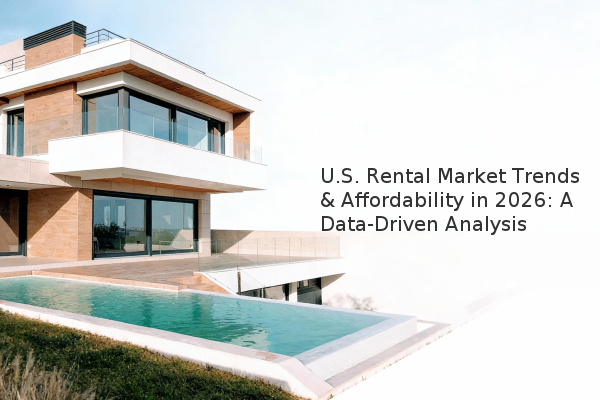
Based on an analysis of current market dynamics, the U.S. rental landscape in 2026 is characterized by a continued moderation in asking rents and a slight improvement in affordability for the median household compared to the peak of the market. However, significant challenges persist, with affordability deteriorating in several middle-American markets as demand intensifies. The national median asking rent for a typical rental unit is projected to be approximately $1,800, reflecting a market that is stabilizing after a period of rapid growth.
The overarching trend in 2026 is one of stabilization. After a period of significant increases, the rate of rent growth has slowed considerably. This is largely attributed to an increase in rental supply, with a high number of new multi-family units being completed. A key metric for understanding market health is the rental vacancy rate—the percentage of rental homes that are vacant at a given time. Based on our experience assessment, the current vacancy rate is closer to historical norms, which applies downward pressure on rent prices. While rents remain elevated from pre-pandemic levels, the year-over-year increases are minimal, offering a more predictable environment for renters.
A standard method for gauging affordability is the 30-percent rule of thumb, often cited by the U.S. Department of Housing and Urban Development (HUD). This guideline suggests that households should spend no more than 30% of their gross income on housing costs to be considered cost-burdened. We use a rent-to-income ratio to analyze this, which compares the median rent to the median household income in a given area.
In 2026, for the typical household across major metropolitan areas, the rent-to-income ratio hovers around 26%. This indicates a marginal improvement in affordability at the national level since the market peak. However, this top-line figure masks considerable regional variation.
The least affordable markets in 2026 remain concentrated in major coastal cities and popular Sun Belt destinations. In these areas, high demand and limited land for new construction keep rents significantly elevated relative to local incomes.
The most affordable rental markets are typically found in the Midwest and some southern metropolitan areas, where the combination of lower rent prices and stable household incomes creates a healthier housing environment.
A notable trend in 2026 is the erosion of affordability in previously budget-friendly markets. As rising costs push residents out of premium coastal cities, they increasingly seek value in middle-American metros.
Navigating the 2026 rental market requires a strategic approach. Conduct thorough research on local market trends before beginning your search. Use online rental platforms to gauge the average price per square foot for different neighborhoods. Be prepared to negotiate, especially in buildings with higher vacancy rates or during off-peak seasons like fall and winter. Furthermore, consider the total housing cost, including utilities and parking, when calculating your budget against the 30% guideline.
While the national trend shows moderation, your individual experience will be dictated by your specific metro and neighborhood. The key is to be an informed renter, understanding both the broad market forces and the micro-level details of your desired area to secure a rental that meets your needs and budget.