Browse

Log in / Register
 Share
Share
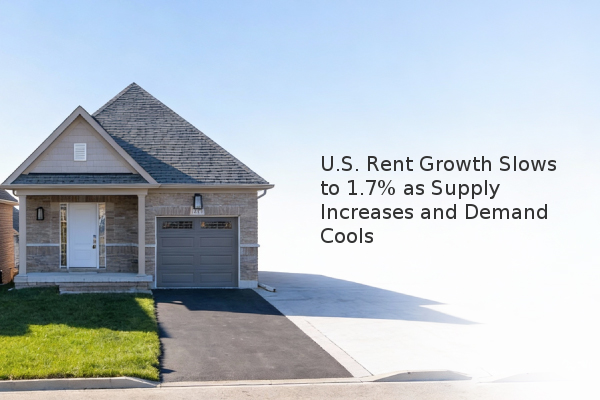
The pace of U.S. rent growth has slowed significantly, with the median asking rent increasing by just 1.7% year-over-year to $1,937 in February. This marks the smallest annual gain in nearly two years, a stark contrast to the 16.5% surge seen a year prior. The cooling market is attributed to a combination of high rental costs, economic uncertainty, and a substantial increase in new apartment supply, offering renters more negotiating power than they have had in recent years.
The slowdown is primarily driven by a shift in the balance between supply and demand. On the demand side, persistently high housing costs, broader inflation, and concerns about a potential recession have made people less likely to move, reducing the number of new leases being signed. On the supply side, a boom in apartment construction is flooding the market with new units. The number of apartments under construction has reached 943,000, a 24.9% annual increase and the highest level since 1974. This influx of new inventory means landlords are grappling with higher vacancies, forcing them to temper rent increases to attract tenants.
While the national median rent still saw a slight increase, several major metropolitan areas experienced year-over-year declines in asking rents. This indicates that the cooling trend is not uniform and is particularly pronounced in markets that saw rapid growth during the pandemic.
The following table outlines metro areas with the most significant rent decreases:
| Metro Area | Year-over-Year Rent Change |
|---|---|
| Austin, TX | -6.5% |
| New Orleans, LA | -6.4% |
| Phoenix, AZ | -4.0% |
| Minneapolis, MN | -3.5% |
| Dallas, TX | -2.6% |
Despite the national cooldown, rents continued to climb at a strong pace in other parts of the country. These areas often feature relatively more affordable housing costs or strong local job markets that continue to attract new residents.
The table below shows metro areas with the highest rent increases:
| Metro Area | Year-over-Year Rent Change |
|---|---|
| Charlotte, NC | 14.3% |
| Columbus, OH | 12.6% |
| Milwaukee, WI | 9.5% |
| Nashville, TN | 9.0% |
| Indianapolis, IN | 8.5% |
For renters, the shifting market dynamics can create opportunities. Landlords may be more open to concessions, such as offering a free month of rent, free parking, or a discounted security deposit, instead of significantly lowering the advertised rent. This is because landlords face their own rising costs due to inflation. For those considering a move, it is a favorable time to compare options and negotiate terms.
Based on our experience assessment, rents are likely close to finding a floor rather than being in for a major collapse. The underlying strength of the job market has helped support demand, preventing a steeper decline. However, the era of dramatic, double-digit rent hikes appears to be over for the foreseeable future as the market rebalances.
Prospective renters should thoroughly research their local market conditions, as trends vary dramatically by city. While some areas are seeing rents fall, others are still experiencing significant growth. Understanding whether you are in a cooling or heating market is the first step to making an informed decision.