Browse

Log in / Register
 Share

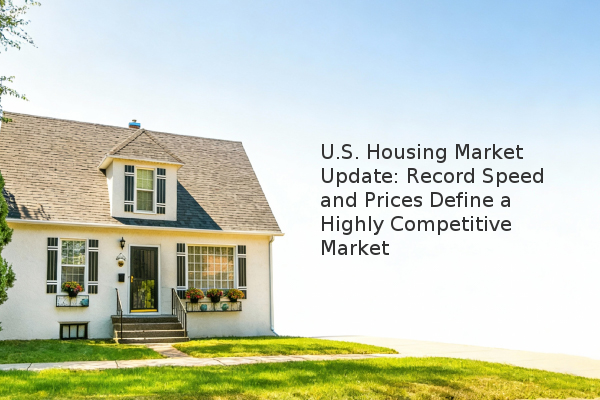
The U.S. housing market for the four weeks ending August 2nd was defined by unprecedented speed and competition, with a record 46% of homes selling within two weeks and the national median sale price reaching a new all-time high of over $311,000. This intense activity is fueled by a combination of historically low mortgage rates, a severe shortage of homes for sale, and sustained high buyer demand, creating a market that is highly favorable for sellers but challenging for buyers.
The velocity of home sales has reached a record pace. Data indicates that 46% of homes that went under contract found a buyer within just two weeks of listing—the highest rate since at least 2012. This is a significant increase from the 32% rate seen during the same period last year. This speed is further evidenced by the age of inventory, which refers to the median number of days a home is on the market before selling. This figure fell to a record low of 49 days, meaning the typical home for sale in early August was listed around mid-June.
This pace is highly unseasonal. Normally, the market begins to slow after the spring buying season; last year, the time on market increased by over six days between June and August. This year, it decreased by 18 days. Additionally, the average sale-to-list price ratio held steady at a record 99%, indicating that homes are selling for very close to, and often above, their asking price.
Home prices have shown unseasonably strong growth. The median home sale price for the period was $311,403, a 9% increase from the previous year. In the final week of the period, the price reached $316,614, up 11% year-over-year. This trend contrasts sharply with typical seasonal patterns; while prices fell 1.7% during the same timeframe in 2019, they rose 3.5% this year.
The primary driver of these price increases is affordability shaped by ultra-low interest rates. As one industry expert noted, "The combination of ultra-low inventory, very high buyer demand, and super low interest rates is a very successful formula for sellers, not so great for buyers."
| Metric | 4-Week Period Ending Aug 2, 2020 | Year-over-Year Change |
|---|---|---|
| Median Sale Price | $311,403 | +9% |
| Homes Sold in 2 Weeks | 46% | +14 pts |
| Active Inventory | N/A | -28% |
Buyer demand remains robust despite the time of year. The seasonally adjusted Homebuyer Demand Index was up 29% from pre-pandemic levels in January and February. Pending home sales, which are a forward-looking indicator of completed sales, were up 10% compared to a year earlier. This stability is notable, as pending sales typically decline slightly at this time of year.
Low mortgage rates are a key factor, but shifting lifestyle needs are also playing a role. As more employers formalize remote work policies and families gain clarity on school schedules, the motivation to buy a home remains strong. This suggests that the market could see an unseasonably busy fall and winter.
The core challenge for buyers is a dramatic lack of supply. The number of active listings (homes actively for sale) was down 28% year-over-year, falling to its lowest point in decades. New listings were also down 2.7% from 2019. This scarcity forces buyers to act quickly and make aggressive offers to compete.
Many potential sellers are hesitant to list their homes for two main reasons. First, they would then become buyers in an extremely competitive market. Second, some homeowners are uncomfortable with the idea of strangers touring their home while they are still living there, especially during a health crisis. This has resulted in a higher proportion of vacant homes on the market.
Based on our experience assessment, buyers in this market need to be prepared to move fast. This may involve using strategies like an escalation clause, a contract addendum that automatically increases a buyer's offer up to a specified maximum to beat competing bids.
The future of the housing market is closely tied to the broader economy. With the Federal Reserve committed to stimulative measures, mortgage rates are expected to remain low for the foreseeable future, which will continue to support buyer demand. However, the overall economic recovery is uncertain. A significant downturn could eventually impact the housing market, as even record-low rates cannot fully offset widespread job loss and financial insecurity.
For buyers, the key advice is to get pre-approved, be prepared to act quickly, and understand that competitive offers often need to exceed the list price. For sellers, conditions are optimal, but it's crucial to have a clear plan for your own next home purchase before listing. The current market's unprecedented speed and high prices are a direct result of a major supply and demand imbalance, with low interest rates acting as the primary accelerant.