Browse

Log in / Register
 Share
Share
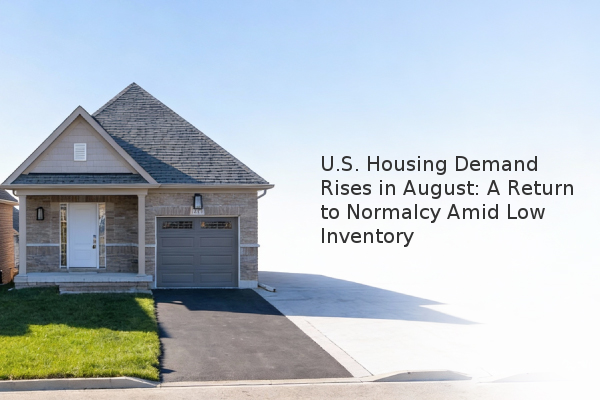
The U.S. housing market experienced a second consecutive month of rising buyer demand in August, yet this activity remains significantly below the frenzied peaks of recent years. This nuanced trend, detailed in the latest Redfin Housing Demand Index, points to a market that is stabilizing rather than declining. The core challenge persists: a severe shortage of homes for sale is constraining overall market activity, even as mortgage rates remain attractive. This article analyzes the national and metro-level trends shaping the current real estate landscape.
The Redfin Housing Demand Index is a seasonally adjusted measure of homebuying activity. It is based on data from thousands of customers requesting home tours and writing offers. An index level of 100 represents the average demand during a period of intense activity from 2013 to 2015. In August, the index rose 1.7% from July to a level of 93. This indicates that while demand is growing month-over-month, it is still below the benchmark for a "normal" market. The year-over-year picture is more pronounced, with the index falling 17.9% compared to August of the previous year.
The monthly increase was primarily driven by a 9.8% surge in the number of customers writing offers. However, this growth was partially offset by a 3.6% decline in customers requesting home tours. This dynamic suggests that serious buyers are acting decisively, while the pool of initial shoppers may be shrinking due to limited choices. The fundamental issue remains a 15th consecutive month of declining inventory, with the number of homes for sale falling 9.4% from a year earlier. Based on our experience assessment, the market is characterized by motivated buyers facing a narrow selection of properties.
Real estate is local, and August's data revealed significant variations across major U.S. metros. The following table highlights key metro-level changes in the Demand Index.
| Metro Area | Month-over-Month Change | Year-over-Year Change |
|---|---|---|
| Denver | +92.2% | -36.6% |
| San Francisco | -33.6% | Data Not Specified |
| San Diego | Data Not Specified | +6.8% |
| Source: Redfin Housing Demand Index, August |
Insights from local agents confirm the data, painting a picture of a shifting market.
The current market requires adjusted expectations and strategies for both buyers and sellers.
For buyers, the environment offers a slight reprieve from the extreme competition of the past few years. While inventory is low, the intensity of bidding wars has moderated in many areas. This can provide more time for due diligence and slightly more negotiating power, especially for homes that have been listed for a few weeks. Getting pre-approved for a mortgage is essential to act quickly when the right opportunity arises.
For sellers, accurate pricing and presentation are more critical than ever. Overpriced homes are likely to sit on the market. Based on our experience assessment, sellers who price their homes competitively from the start and ensure their property is in top condition are still achieving strong offers, particularly in sought-after neighborhoods and school districts.
The U.S. housing market is transitioning toward a more sustainable pace. The August data indicates a market that is "finally finding its normal," as Redfin's chief economist noted. While demand is growing, it is tempered by economic factors and a chronic lack of supply. Buyers may find slightly more leverage than in recent years, but sellers of desirable properties in prime locations can still expect a competitive process.