Browse

Log in / Register
 Share
Share
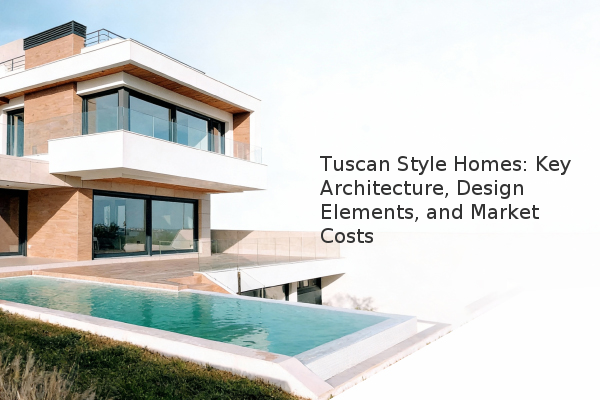
Tuscan style homes, often referred to as "Tuscan Revival," are a popular architectural choice in the United States, drawing inspiration from the rustic villas and farmhouses of the Italian countryside. These homes are characterized by their warm, earthy aesthetics, natural materials, and a sense of aged elegance. For potential buyers or enthusiasts, understanding the core features, approximate building costs, and market considerations is essential. The key takeaway is that authentic Tuscan style homes prioritize natural textures, a neutral color palette, and architectural elements like stone details and tile roofs, with construction costs typically ranging from $150 to $400 per square foot.
The architecture of a Tuscan home is designed to feel both luxurious and comfortably rustic. The exterior often features stucco or plaster walls in shades of tan, cream, or gold, which are meant to mimic the sun-baked buildings of Tuscany. A low-pitched roof with terracotta tiles is a hallmark of this style. Terracotta tiles are a type of fired clay tile known for their distinctive orange-red hue and durability. Other defining elements include stone accents around windows, doors, and on archways, as well as tall, multi-pane windows and wooden beams (often faux) protruding from the exterior under the eaves, a feature known as "exposed rafters."
| Common Tuscan Home Exterior Features | Description |
|---|---|
| Materials | Stucco, Stone, Terracotta, Wrought Iron |
| Roof | Low-pitched with terracotta tiles |
| Colors | Earth tones: tans, ochres, warm golds |
| Architectural Details | Arched windows and doorways, exposed wood beams |
Stepping inside, the Tuscan theme continues with a focus on creating a warm, inviting atmosphere. Interiors often have an open, flowing floor plan. Walls may be textured or feature faux finishing techniques, such as sponge painting or color washing, to create an aged, weathered look. Floors are typically made of natural materials like travertine (a form of limestone), ceramic tile, or wide-plank wood. The color scheme remains earthy, with accents drawn from the Tuscan landscape: deep reds, olive greens, and sun-baked blues. Wrought iron is used extensively for light fixtures, stair railings, and furniture, adding to the Old World charm.
The cost of a Tuscan style home varies significantly based on location, size, and the quality of materials. Building a new, custom Tuscan home can be expensive due to the specialized materials and craftsmanship involved. Based on our experience assessment, construction costs can range from $150 to $400 per square foot. For example, a 3,000-square-foot home could cost between $450,000 and $1.2 million to build, excluding the cost of the land. In the resale market, the price is heavily influenced by the local real estate market. A Tuscan style home in a high-cost state like California will command a much higher price than a similar home in Arizona or Florida, even if the architectural style is identical.
Like any architectural style, Tuscan homes have distinct advantages and potential drawbacks. A significant advantage is their timeless appeal and durable construction; materials like stucco and tile are long-lasting. The warm, neutral color palette offers great flexibility for interior decorating. However, the style may not be for everyone. The dark wood and sometimes heavy architectural details can make interiors feel less bright and airy compared to a modern home. Additionally, maintaining authentic materials like terracotta roof tiles or travertine floors requires specific knowledge and can be more costly than standard maintenance.
In summary, Tuscan style homes offer a distinctive and elegant living experience rooted in Old World charm. Key considerations for anyone interested in this style include: