Browse

Log in / Register
 Share

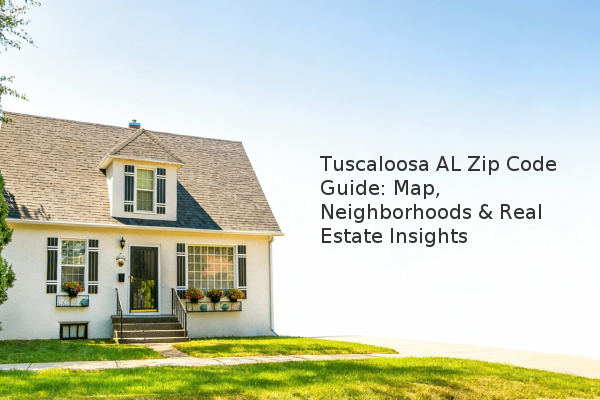
Understanding the zip codes in Tuscaloosa, Alabama, is crucial for navigating the city's real estate market, as each code corresponds to distinct neighborhoods, property types, and market dynamics. This guide provides a clear map and detailed breakdown to help you identify the right area for your needs, whether you are buying, selling, or renting.
Tuscaloosa's zip codes are 35401, 35403, 35404, 35405, 35406, 35407, and 35453. These codes are more than just mailing addresses; they are key indicators of school districts, property values, and community amenities. For anyone involved in a real estate transaction, knowing the nuances of each zip code is a fundamental step in making an informed decision.
A ZIP Code, an acronym for Zone Improvement Plan, is a system used by the United States Postal Service (USPS) to efficiently route mail. In Tuscaloosa, these codes delineate specific geographic areas. The city's layout means that certain zip codes, like 35406, cover a large and diverse swath of the city, including the University of Alabama campus, while others are more concentrated. The following table outlines the primary areas associated with each code.
| ZIP Code | Primary Areas Covered |
|---|---|
| 35401 | Downtown Tuscaloosa, West End, Riverside |
| 35403 | Eastern Tuscaloosa, Alberta City |
| 35404 | Southern Tuscaloosa, Hunter Creek, Taylorville |
| 35405 | Northport (adjacent city), parts of Holt |
| 35406 | University of Alabama, Forest Lake, Snow Hinton |
| 35407 | Southeastern Tuscaloosa, Cottondale |
| 35453 | University of Alabama (campus-specific P.O. boxes) |
The zip code a property resides in directly impacts its value and appeal. Properties in zip code 35406, which encompasses many neighborhoods popular with university staff and professionals, often command higher prices due to proximity to the university and established, desirable communities like Forest Lake. Conversely, areas within 35405 (Northport) may offer more square footage for the price, appealing to families seeking single-family homes with larger yards. Understanding these market trends is essential for setting a competitive listing price or determining a fair offer.
When analyzing the Tuscaloosa housing market, segmenting data by zip code provides a much clearer picture than looking at the city-wide average. For example, rental demand in 35406 is consistently high due to the student population, creating a strong market for investment properties. Meanwhile, 35404 and 35407 may feature more affordable entry-level homes, attracting first-time homebuyers. Always consult multiple listing service (MLS) data filtered by specific zip codes to gauge accurate inventory levels, median sale prices, and average days on market.
While zip codes are a powerful starting point, they should not be your only research tool. A zip code can contain multiple neighborhoods with different characteristics. It is vital to:
In summary, Tuscaloosa's zip codes serve as a practical framework for real estate research. By understanding the profile of each area, you can better target your search, assess property value accurately, and make a confident real estate decision. Focus on specific zip code data, verify school districts independently, and always conduct an in-person visit to ensure a property meets all your criteria.