Browse

Log in / Register
 Share
Share
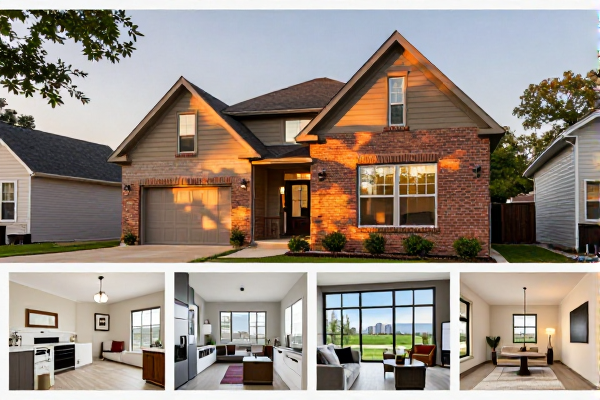
Understanding Tulsa's zip codes is essential for making informed real estate decisions, as each code corresponds to distinct neighborhoods with varying property values, school districts, and amenities. This guide provides a clear breakdown of Tulsa's primary residential zip codes, their defining characteristics, and current market trends to help you identify the best area for your needs. The median home price across Tulsa's key zip codes shows a significant range, from under $200,000 to over $500,000, highlighting the importance of location.
A zip code is a postal code used by the United States Postal Service (USPS) to efficiently route mail. In real estate, zip codes have evolved into key identifiers for neighborhoods, directly impacting property values. Factors such as school ratings, proximity to employment centers like downtown Tulsa or the Gathering Place park, and overall neighborhood safety are often concentrated within specific zip codes. Real estate agents and online portals use this geographic data to filter listings, making zip code knowledge a fundamental first step in your search.
The Tulsa metropolitan area is divided into several key zip codes that cater to different lifestyles and budgets. The following table provides a snapshot of the current market dynamics in these areas based on recent 2026 data.
| Zip Code | Primary Neighborhoods | Median Home Price | Notable Features |
|---|---|---|---|
| 74114 | South Tulsa, Woodland Hills | $525,000 | Top-rated Jenks Public Schools, upscale shopping at Woodland Hills Mall. |
| 74133 | South Tulsa, Bixby | $475,000 | Family-friendly communities, strong school districts, growing retail sector. |
| 74135 | West Tulsa | $185,000 | Most affordable area, undergoing revitalization, close to downtown. |
| 74105 | Midtown, Maple Ridge | $650,000 | Historic homes, mature landscaping, proximity to downtown and Philbrook Museum. |
| 74120 | North Tulsa | $165,000 | Lowest entry point for homeownership, significant investment potential. |
| 74137 | East Tulsa | $255,000 | Culturally diverse community, excellent access to highways and airports. |
While a zip code offers a high-level view, your final decision should involve deeper research. Driving through neighborhoods at different times of the day is crucial to assess noise levels, traffic patterns, and overall ambiance. You should also verify school district boundaries directly with the school administration, as they do not always align perfectly with zip code lines. Furthermore, investigate property tax rates, which can vary even within the same zip code, and research future development plans for the area that could affect property values.
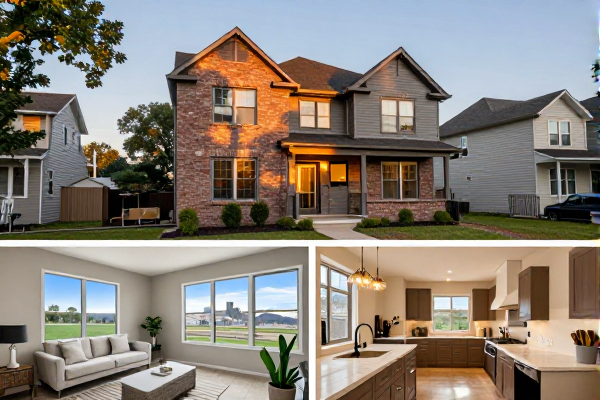
Begin your search by identifying zip codes that align with your budget and lifestyle priorities, using the table above as a starting point. Next, utilize online real estate portals to set up saved searches filtered by these specific zip codes. This will give you a real-time understanding of inventory and pricing. When you are ready to visit properties, work with a local real estate agent who possesses hyperlocal knowledge of each neighborhood's nuances, something that data alone cannot fully capture.
Ultimately, choosing the right Tulsa zip code requires balancing budget, lifestyle needs, and long-term investment potential. Conduct thorough due diligence, including neighborhood visits and school district verification, to make a confident decision. The diversity of Tulsa's neighborhoods means there is a perfect fit for nearly every homebuyer, from those seeking historic charm to those prioritizing affordability and growth.