Browse

Log in / Register
 Share
Share

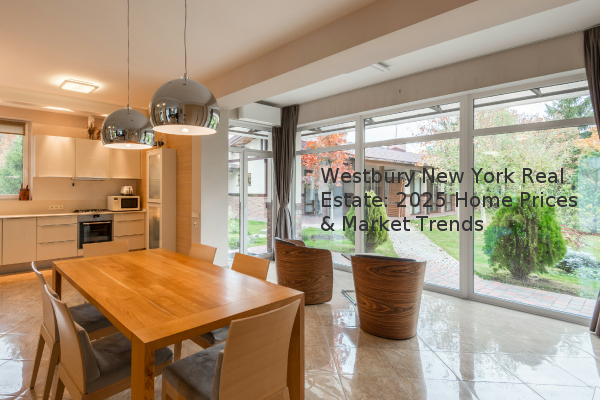
Transitional interior design successfully merges classic and contemporary elements to create a balanced, timeless, and highly livable space. The core principle is achieving harmony between seemingly disparate styles, such as pairing a modern dining table with traditional upholstered chairs. This approach relies on a neutral color palette, a mix of textures, and strategic use of statement pieces. Based on our experience assessment, adhering to a few key guidelines can help you create a sophisticated home that feels both current and enduring without requiring a complete renovation.
What is the fundamental principle of transitional design? The essence of transitional style is balance. It intentionally welcomes contrasting aesthetics—traditional and modern, feminine and masculine—within a single room. The goal is to create a classic, clean foundation that is reinvigorated with contemporary furniture, rugs, and accessories. You want the decor to feel inviting and accessible, without veering too heavily into one specific trend. A successful transitional room feels cohesive, with each piece complementing the others rather than competing for attention.
How do you establish a neutral foundation for a transitional space? A neutral, unsaturated color palette is the hallmark of this style. Opt for shades of white, cream, beige, tan, gray, or light brown on walls, flooring, cabinets, and large furniture pieces. This simple backdrop ensures the room feels timeless and allows other design elements to stand out. According to a 2025 Houzz survey, over 60% of homeowners renovating their living rooms opted for neutral walls as a base for their decor. This approach provides a versatile canvas where you can introduce color and personality through accents that can be easily changed over time.
Why is mixing textures important in transitional decor? Transitional style embraces a variety of materials that share a similar color tone but contribute different textures to the space. Incorporating elements like stone, wood, leather, chrome, glass, and fabric adds depth and visual interest. Using a couple of different textures helps achieve an elegant yet modern look. For instance, a smooth leather sofa can be paired with a nubby wool throw and a sleek glass coffee table atop a jute rug. This layering prevents the neutral scheme from feeling flat or sterile.
How should you incorporate antique and statement pieces? Balance an otherwise contemporary room with a carefully chosen antique or statement piece. This strategy gives the room depth and showcases your curating skills. The key is contrast: the more sleek and modern the space, the more rustic and worn the antique should be. A single, large-scale antique armoire or a weathered wooden chest can serve as a compelling focal point that anchors the room and adds a sense of history.
What is the role of accents and patterns? Exercise restraint with bold accents and patterns. The guiding principle is to avoid clutter by selecting a few impactful pieces that accent the room without overwhelming it. Patterns are used sparingly and tend toward geometric designs rather than busy florals. Window treatments should be simple, with clean lines instead of complex, fussy designs. A single bold piece of modern art can have a greater impact than a collection of smaller pieces.
How do rugs and furniture lines contribute to the style? A contemporary rug is often a foundational element in transitional design. Think solid colors, geometric patterns, or animal prints rather than traditional floral or oriental rugs. When selecting furniture, rely on classic, sophisticated lines. Choose pieces with straighter, cleaner profiles as opposed to those that are overly rounded or ornate. Transitional furniture is comfortable but boasts a more tailored silhouette. This extends to details; for example, choose a straight lever doorknob over a round knob.
Bringing Transitional Style Together The transitional aesthetic requires a seamless marriage of traditional and contemporary pieces. The result should be a sophisticated yet livable home filled with beloved items and sensible furniture that can last a lifetime. Focus on achieving balance above all else, and don't be afraid to mix elements you genuinely love. The most successful transitional spaces reflect the homeowner's personal taste while adhering to the principles of harmony and restraint.