Browse

Log in / Register
 Share
Share

Renting a trailer home, more accurately known as a manufactured home, can be an affordable and flexible housing solution in 2026. The core appeal lies in the lower monthly rental costs compared to traditional single-family homes and apartments, though potential renters must carefully navigate land-lease agreements and understand the unique responsibilities involved. This guide provides a clear, step-by-step overview of the rental process, average costs, and key pitfalls to avoid based on current market dynamics.
A manufactured home community, often still referred to colloquially as a "trailer park," is a piece of land subdivided into lots where individuals rent a space to place their manufactured home. You are typically renting the land itself, not the physical structure. The home may be owned by you or, more commonly in a rental scenario, by a landlord. The community owner or management company provides shared amenities and is responsible for maintaining common areas, roads, and utilities up to a certain point. Understanding this distinction is crucial for knowing what you are financially responsible for.
The cost to rent a trailer home varies significantly by state, the age and size of the home, and the amenities offered by the community. On a national level, average monthly costs are considerably lower than traditional housing.
| Cost Component | Average National Cost (2026) | Notes |
|---|---|---|
| Lot Rent (Space Only) | $400 - $800 | Covers land use and common area maintenance. |
| Full Home Rental | $900 - $1,800 | Includes the home and the lot. Varies by size (single/double-wide). |
| Security Deposit | Equivalent to 1-1.5x monthly rent | Often refundable, subject to lease terms. |
| Utilities | $200 - $400 | Highly variable; some communities include water/trash. |
It is critical to confirm exactly what your monthly rental payment includes. Some communities bundle water, sewer, and trash removal, while others charge these separately. Always request a detailed breakdown of all monthly fees before signing a lease.
The process for renting a trailer home is similar to other rentals but with added layers. Start your search on specialized listing platforms that focus on manufactured housing. Once you find a potential home, follow these steps:
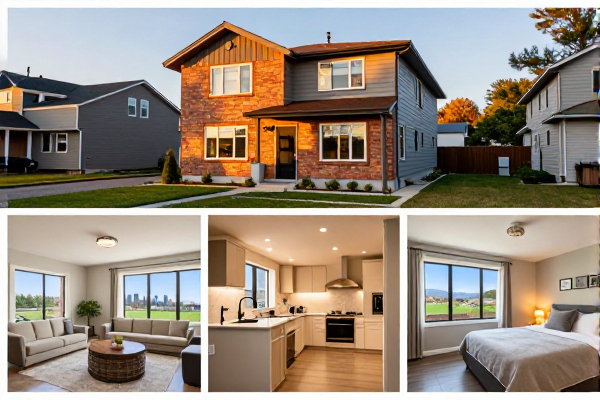
The most significant risks involve unexpected costs and community regulations. A major pitfall is underestimating the potential for above-average rent hikes. Since you are often dealing with a corporate landlord for the land, annual increases can be substantial and are not always capped by local tenant laws. Another common issue is failing to account for the cost of skirting repair (the material around the base of the home) or pier foundation maintenance, which may be your responsibility. Finally, thoroughly research the community's reputation and ownership; a change in management can lead to significant shifts in rules and fees.
Renting a trailer home requires diligent research and a careful review of all contractual documents. By understanding the true costs, your specific responsibilities, and the potential for future fee increases, you can make an informed decision. Focus on communities with transparent fee structures and positive resident reviews to ensure a stable and positive rental experience.