Browse

Log in / Register
 Share
Share
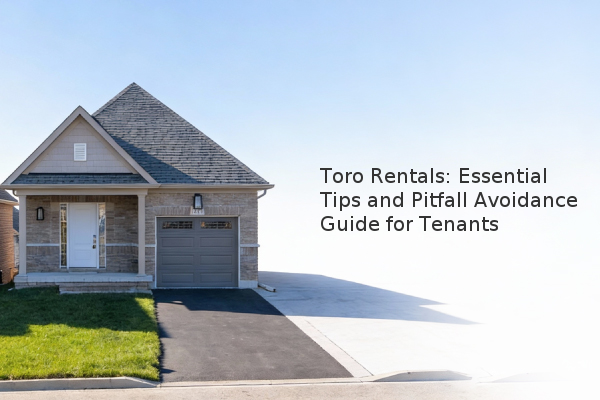
Navigating the rental market, particularly with a platform like Toro, requires a strategic approach focused on thorough due diligence, clear communication, and a detailed understanding of lease agreements to secure a suitable property while avoiding common financial and legal pitfalls. Success hinges on verifying listing authenticity, comprehending the full lease terms, and budgeting for all associated costs.
A compelling listing is just the starting point. The key is to scrutinize the details for red flags and verify the information independently. Be wary of listings with prices significantly below market rate for the area, as this is a common tactic in rental scams. High-quality photos should show the entire property, not just selective angles. Look for specific details about appliances, utilities (which services are included in the rent), and pet policies. The listing should clearly identify the landlord or property management company. Before proceeding, it is prudent to cross-reference the property address on other platforms or a simple Google search to confirm its legitimacy and see if it’s listed elsewhere with different contact information.
Essential Listing Checklist:
The application process is a critical stage for protecting your personal information and finances. A legitimate landlord will typically require a rental application, but you should be cautious about how much information you provide upfront. Never send money for an application fee or security deposit—a refundable fee paid to the landlord to cover potential damages beyond normal wear and tear—before you have toured the property in person or via a live video call. When you do pay fees, ask for a receipt and clarity on what the fees cover. Be prepared to provide documentation like pay stubs or a letter of employment to verify your income, but ensure you are communicating through a verified channel.
| Application Step | Tenant Action | Potential Pitfall |
|---|---|---|
| Initial Contact | Ask specific questions about the property. | Vague or automated responses from the lister. |
| Property Tour | Insist on an in-person or live video tour. | Excuses about why the property cannot be shown. |
| Application Fee | Pay only after verifying the lister's identity. | Pressure to wire money or use non-traceable payment methods. |
| Credit/Background Check | Understand what screening will be performed. | Unusually high, non-refundable application fees. |
The lease agreement is a legally binding contract that dictates your tenancy. Read every clause carefully before signing. Key areas require your utmost attention. The lease term should correctly state the start and end dates. The financial section must explicitly outline the rent amount, due date, late fees, and the security deposit amount and conditions for its return. Understand the utility responsibilities; know which services are in your name. Pay close attention to the maintenance and repair policy, noting how to submit requests and the landlord's response timeline. Look for any clauses related to early termination, subletting, and the landlord's right to enter the property, which typically requires advance notice (usually 24-48 hours) except in emergencies.
Effective budgeting for a rental involves planning for more than the advertised monthly rent. Upfront costs often include the first month's rent, a security deposit (often equal to one month's rent), and potentially the last month's rent. You may also face moving expenses, renter's insurance—a policy that protects a tenant's personal property against loss or damage—which is frequently required by landlords and is a wise investment. Ongoing costs include utilities not covered by the landlord, such as electricity, gas, internet, and water. Account for potential parking fees, pet fees or monthly pet rent, and routine living expenses. Creating a detailed budget prevents financial strain and ensures you can comfortably afford your new home.
To navigate Toro rentals successfully, prioritize an in-person property viewing, meticulously review all lease terms, and secure a clear understanding of your total financial commitment before signing any agreement. This disciplined approach is your best defense against scams and unfavorable rental conditions, leading to a more secure and positive renting experience.