Browse

Log in / Register
 Share
Share
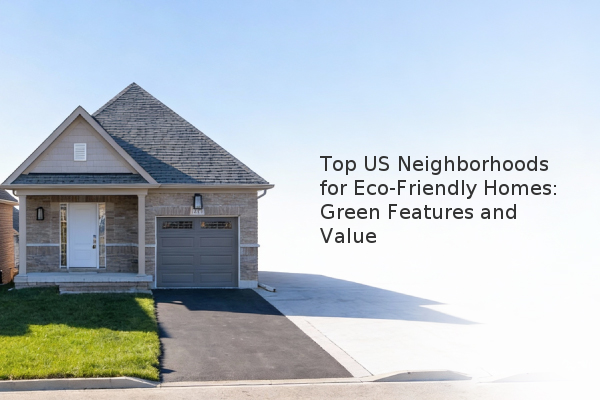
Homes with green features sell for a median price of $47,600 more than non-green homes, according to a recent analysis of real estate listings. This review of neighborhoods across the United States identifies areas with the highest concentration of eco-friendly properties, highlighting a growing trend where sustainability correlates with increased property value. Key findings show that Seattle, Austin, and Raleigh are leading markets for green homes, which are not always new construction but include a variety of energy and water-saving upgrades.
What Qualifies as a "Green" Home Feature? The term "green feature" encompasses a range of elements designed to reduce a home's environmental impact. Common examples include solar panels, low-flow faucets and toilets that reduce indoor water use, and dual-pane windows that improve insulation. Many listings also highlight certifications like ENERGY STAR, a government-backed symbol for energy efficiency, and LEED (Leadership in Energy and Environmental Design), a widely used green building rating system. These features help seal in conditioned air, reducing energy consumption and utility costs for homeowners.
Which US Neighborhoods Have the Most Green Homes? An analysis of listing descriptions over a two-year period identified neighborhoods where a significant proportion of homes for sale included green features. The following table shows a selection of top-performing neighborhoods within major metropolitan areas, demonstrating the widespread availability of eco-friendly properties.
| Metropolitan Area | Example Neighborhoods with High Concentration of Green Homes |
|---|---|
| Seattle, WA | Downtown Bellevue, Columbia City, Willow-Rose Hill |
| Austin, TX | RMMA/Mueller, Galindo, Rosedale |
| Houston, TX | Downtown Houston, Eagle Springs |
| Raleigh, NC | Carpenter Village, Briar Chapel |
| Denver, CO | Downtown Denver, Hale, Lowry |
| Chicago, IL | Humboldt Park, Roslindale |
| Portland, OR | Pearl District, Concordia |
Seattle emerged as a clear leader, with 20 neighborhoods where at least 10% of listings mentioned green features. Austin followed with seven such neighborhoods, and Houston with six. This data indicates that eco-friendly homes are becoming increasingly prevalent in urban and suburban areas alike.
Do Green Homes Command a Higher Sale Price? The data confirms a positive correlation between green features and sale price. The median sale price of homes with these features was $47,600 higher than for homes without them. This premium reflects the perceived long-term value of lower utility bills and modern, efficient systems. Furthermore, homeowners can often take advantage of various rebates and tax incentives for energy-efficient upgrades, enhancing the overall financial benefit. Based on our experience assessment, these features are increasingly important to a growing segment of homebuyers.
Are Green Homes Typically New Construction? While newly constructed condo buildings in downtown areas often pursue LEED certification, the majority of green homes on the market are not new construction. The analysis found that green homes for sale are, on average, only six years newer than non-green homes. This suggests that a significant number of homeowners are successfully retrofitting older properties with eco-friendly updates. Common upgrades include installing ENERGY STAR appliances, which save both water and energy, and adding insulation.
Practical Advice for Homeowners Considering Green Upgrades Making eco-friendly updates to your home can reduce its environmental impact and potentially increase its market value. Focus on upgrades that offer efficiency and savings, such as low-flow faucets, dual-pane windows, and insulation. These improvements help seal in conditioned air, reducing energy use. Research available rebates and tax incentives for energy-efficient appliances and systems to improve the return on your investment. This approach can create a win-win scenario: saving money on monthly bills while making your home more attractive to future buyers.