Browse

Log in / Register
 Share
Share
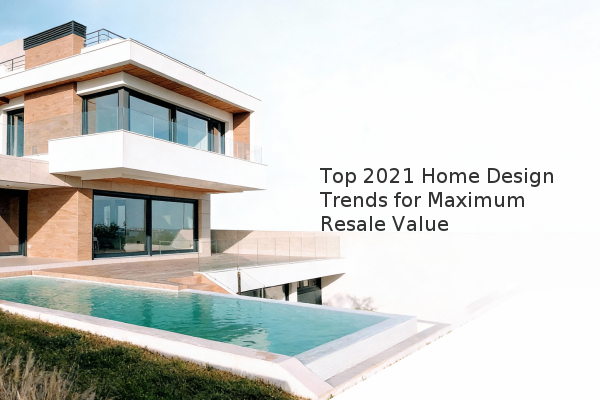
For homeowners planning renovations in 2021, focusing on kitchen upgrades, dedicated home offices, and seamless indoor-outdoor living offers the greatest potential to increase property value and enjoyment. Based on an analysis of prevailing design movements, these seven key trends balance style with the heightened demand for functionality, providing a clear roadmap for strategic home improvements.
The kitchen continues to be the most valuable room to renovate. The dominant trend is a move toward contrasting color schemes. While all-white kitchens remain a classic, expect to see bolder palettes like deep blues, forest greens, and charcoal grays used on island cabinetry or as statement backsplashes. These designs are often complemented by luxurious elements such as statement lighting fixtures and sleek hardware in finishes like brushed gold. The core goal is a space that is both highly functional for serious cooking and aesthetically stylish, often featuring spacious, open-concept layouts with high-end stainless steel appliances.
With remote work becoming a permanent feature for many, creating a dedicated workspace is a top priority for homeowners. This trend goes beyond placing a desk in a corner. It involves converting underutilized areas like bonus rooms, sunrooms, or even Accessory Dwelling Units (ADUs)—a secondary, independent living space on the same property—into fully functional offices. Transforming a shed or ensuring a guest room can double as a productive work environment are popular solutions. This adaptation addresses the fundamental need for separation between work and home life, a trend that is expected to have lasting appeal.
In 2021, interiors are embracing warmth and texture. The trend involves layering earthy colors like white, cream, beige, rust, and sage with a mix of natural materials. Imagine a living room that combines jute rugs, oak wood accents, and linen textiles with undeniable luxury elements. This same principle applies to kitchens, where Quartz countertops—an engineered stone made from natural quartz crystals and resin, known for its durability and non-porous surface—have become the material of choice. Quartz is versatile, practical, and elegant, pairing well with both light and dark cabinetry. Its rise in popularity is due to its low maintenance and contemporary look, making it a smart investment.
The desire to blur the lines between inside and outside is stronger than ever. Homeowners are investing in creating fully-functional outdoor dining rooms that can be used for year-round entertaining. This can mean building a deck with a pergola, furnishing a covered patio, or installing a gazebo. The aim is to create an inviting open-air room that serves as an extension of the indoor living space. Similarly, the installation of floor-to-ceiling windows is a significant trend for achieving an open, airy feel. These windows flood interiors with natural light and enhance the connection to the outdoors, making them a highly desirable, though involved, architectural upgrade.
A unique design trend gaining momentum is the "Grandmillennial" style. This approach involves appreciating traditional decor from a modern perspective. It is characterized by tasteful antique pieces, such as vintage mirrors, along with plenty of brass, wicker, and varied textures. While its longevity is debated, it is currently seeing widespread embrace as homeowners seek personality and comfort in their interiors.
To maximize the return on your 2021 home renovations, prioritize projects that enhance daily living while also appealing to future buyers. Focus on kitchen functionality and style, create defined spaces for work and relaxation, and strengthen the connection to your outdoor area. These improvements are not just trendy; they respond to enduring shifts in how we live.