Browse

Log in / Register
 Share

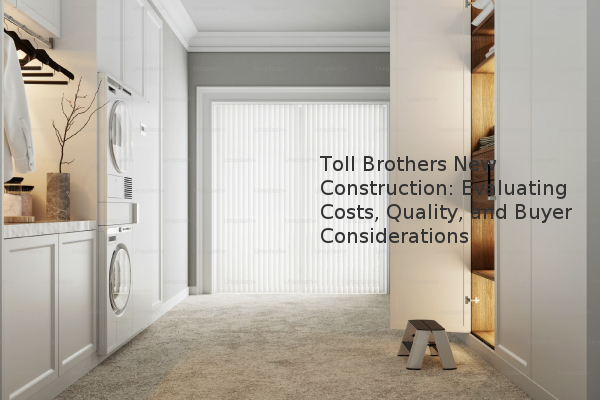
For homebuyers considering a new construction home, Toll Brothers stands out as a prominent national builder, but the decision involves a clear-eyed evaluation of its premium pricing against its reputation for quality construction and extensive customization options. This analysis provides an objective overview of what to expect when purchasing a Toll Brothers home, focusing on cost factors, build quality, and the unique advantages and considerations of the new construction process.
What is the Typical Price Range for a Toll Brothers Home?
Toll Brothers primarily targets the luxury and move-up buyer segments. Consequently, their homes are typically priced well above the average market rate for existing homes in a given area. Prices vary significantly by state, city, and the specific community, but it is common to see starting prices from the high $700,000s to over $2 million. The final cost is highly dependent on the chosen lot premium, which is an additional cost for a more desirable lot location within the community, and the extensive selection of structural options and design center upgrades. These upgrades can include everything from extended square footage and enhanced flooring to smart home packages and premium appliance brands, potentially increasing the base price by 10-20% or more. It is crucial for buyers to understand that the advertised base price is often just a starting point.
How Does Toll Brothers' Build Quality Compare to Other Builders?
The term build quality refers to the materials used and the craftsmanship employed in constructing a home. Toll Brothers markets itself on delivering a high-quality product, often using brand-name appliances, cabinetry, and fixtures. Many of their floor plans feature architectural details like coffered ceilings and wainscoting that are less common in production-built homes from more budget-oriented builders. However, quality can vary between different Toll Brothers divisions and even individual construction superintendents. While the company generally receives positive marks for the aesthetic appeal and initial finish of their homes, prospective buyers should still invest in independent inspections. A pre-drywall inspection and a final pre-closing inspection are critical steps to verify that the construction meets expected standards before the transaction is finalized.
What are the Key Advantages and Pitfalls of the Customization Process?
One of the most significant draws of buying a Toll Brothers home is the opportunity for customization. Unlike purchasing a resale home, buyers can select finishes, colors, and certain layout modifications to personalize their space. This process occurs primarily in the builder's design studio. The main advantage is creating a home that reflects personal taste from the start. The potential pitfall is budget management. It is easy for costs to escalate quickly in the design center when presented with numerous attractive upgrades. Based on our experience assessment, setting a firm budget for upgrades beforehand and carefully distinguishing between "must-haves" and "nice-to-haves" can help maintain financial control throughout this exciting but potentially expensive phase.
What Should Buyers Know About the Timeline and Negotiation?
Purchasing a new construction home is not like buying an existing property. The timeline from signing the initial contract to closing can take six months to a year or longer, subject to delays from weather or supply chain issues. While builders, including Toll Brothers, are often less flexible on the sale price of the home itself, there may be room for negotiation on closing cost incentives or upgrades, especially towards the end of a quarterly or yearly sales period when the company is motivated to meet targets. Buyers should be prepared for a lengthy process and have their financing, including a mortgage pre-approval (a lender's conditional commitment to loan you a specific amount), secured early.
In summary, purchasing a Toll Brothers home involves a significant financial investment with the benefit of customization and new home warranties. Key considerations include: