Browse

Log in / Register
 Share
Share
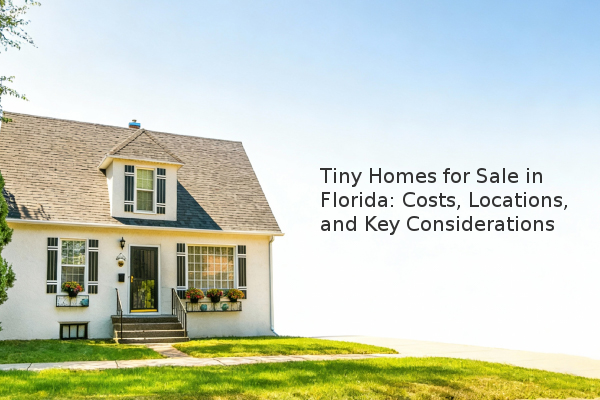
Exploring tiny homes for sale in Florida presents a unique opportunity for affordable, minimalist living in a desirable climate. The core appeal lies in significantly lower upfront costs, with prices typically ranging from $30,000 to $120,000, and reduced ongoing expenses for utilities and maintenance. However, navigating zoning regulations and securing financing are critical hurdles that require careful planning. This guide provides a data-driven overview of the market, popular locations, and essential steps for a successful purchase.
The price of a tiny home in Florida varies dramatically based on size, customization, and whether it is built on a foundation or a trailer. A foundational model, often classified as an Accessory Dwelling Unit (ADU), tends to be more expensive due to permitting and construction requirements tied to a permanent location. A mobile tiny house on wheels (THOW) offers more flexibility but faces different regulatory challenges. On average, expect the following cost ranges:
| Type of Tiny Home | Average Price Range | Key Considerations |
|---|---|---|
| Pre-fabricated (Turnkey) | $40,000 - $80,000 | Includes delivery and setup; often on a trailer. |
| Custom-Built (On Foundation) | $80,000 - $150,000+ | Requires land purchase, permits, and utility hookups. |
| DIY Kit | $20,000 - $50,000 | Lower material cost but requires significant labor and expertise. |
Beyond the purchase price, buyers must budget for land (if not buying in a dedicated community), property taxes (assessed on both the dwelling and the land), and ongoing maintenance. Financing a tiny home can be complex, as not all conform to traditional mortgage standards. Many buyers opt for personal loans or chattel mortgages, which are loans for movable property.
Florida is a hub for the tiny home movement, with communities sprouting up to cater to this growing demand. These communities often provide a piece of land, utility connections, and shared amenities like clubhouses and pools, addressing the significant challenge of where to legally place a tiny home.
When searching listings, look beyond standard real estate platforms. Specialized tiny house websites, local builders' portfolios, and community association websites are valuable resources. Always verify the zoning classification of any property before making an offer.
This is the most critical aspect of buying a tiny home in Florida. Zoning laws, which regulate land use, vary significantly by county and municipality. A primary issue is minimum square footage requirements; many areas have codes stating a single-family home must be at least 1,000 square feet, which disqualifies most tiny homes.
To navigate this, consider these pathways:
A Certificate of Occupancy is a document issued by a local government certifying a building's compliance with applicable building codes and suitability for occupancy. Ensuring your tiny home can obtain one is essential for legal residency and connecting to utilities.
Securing a loan for a tiny home differs from a traditional mortgage. Lenders often hesitate to finance structures that may not meet building codes or are on wheels. Here are the common financing routes:
A thorough title search is crucial if you are purchasing land to ensure there are no liens or ownership disputes. While title insurance is standard for traditional home purchases, discuss its applicability with your legal advisor when buying land for a tiny home.
Purchasing a tiny home in Florida requires a methodical approach focused on legal feasibility and financial planning. The key steps are: thoroughly research local zoning laws before committing to a purchase, secure financing pre-approval to understand your budget, and prioritize communities or locations with established tiny home allowances to avoid legal complications. While challenges exist, the reward is a simplified, cost-effective lifestyle in the Sunshine State.