Browse

Log in / Register
 Share

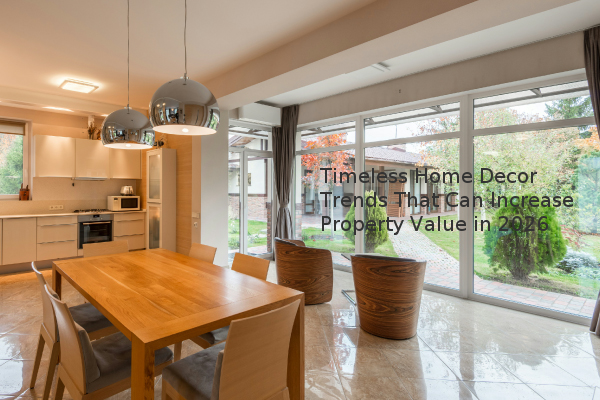
Investing in timeless home decor is a strategic move for homeowners looking to enhance their property's appeal and potential market value. Based on our experience assessment, classic design elements consistently outperform short-lived trends by creating a universally attractive aesthetic that resonates with a broader pool of potential buyers. This article outlines key traditional decor trends for 2026 that offer both immediate enjoyment and long-term financial predictability for your real estate investment.
How Can Traditional Patterns Like Block Print Influence a Home's Appeal?
Block printing, an ancient technique for imprinting intricate patterns on fabric using carved wooden blocks, is experiencing a significant resurgence. This classic look avoids the dated feel of recent, bolder prints and instead introduces a handcrafted, artisanal quality to a space. You will see block print patterns on bedding, curtains, and upholstery. From a real estate perspective, incorporating such timeless patterns can make a home feel curated and high-quality. Neutral, classic color combinations in block print designs are less likely to trigger a buyer's personal dislike compared to more polarizing, trendy patterns, thereby broadening your home's marketability.
Are Four-Poster Beds a Wise Investment for a Primary Bedroom?
The four-poster bed, once considered a relic of the past, has been reimagined with modern lines and simpler profiles, moving away from heavy canopies. This piece serves as a strong focal point in a master bedroom, a key selling area in any home. A well-chosen four-poster bed can elevate the perceived value of the entire room by suggesting luxury and permanence. Choosing a design with clean lines and without excessive draping ensures the piece feels sophisticated rather than dated, making it an attractive feature for future home appraisals and showings.
Why Do Organic Materials Matter in Home Valuation?
The emphasis on organic materials—such as live-edge wood tables, natural stone countertops, and linen textiles—aligns with a growing buyer preference for sustainability and authenticity. These materials are not just an aesthetic choice; they speak to quality and longevity. For example, a dining table made from solid wood with a visible natural edge is often perceived as more valuable than a mass-produced alternative. Incorporating authentic organic materials can positively influence a home's appraisal value by demonstrating craftsmanship and the use of durable, high-quality finishes that withstand the test of time.
Should Outdoor Living Spaces Be Furnished Like Indoor Rooms?
The line between indoor and outdoor living continues to blur, and this is a critical consideration for boosting curb appeal and functional square footage. Upgrading from basic plastic or metal furniture to comfortable, weather-resistant soars and chairs effectively extends the livable area of your home. Creating a defined, comfortable outdoor room is viewed as an additional living space by many buyers, potentially increasing the overall value of your property. Investing in quality patio furniture that encourages outdoor relaxation and entertainment makes your home more attractive in listing photos and during open houses.
Is a Neutral Color Palette Like Beige Still a Safe Choice for Resale?
While color trends come and go, a neutral palette centered on shades of beige, khaki, and cream remains a fundamentally sound strategy for homeowners. These colors act as a blank canvas, allowing potential buyers to easily envision their own belongings in the space. A neutral wall color is one of the most recommended pre-listing updates by real estate professionals because it minimizes redecorating costs for sellers and appeals to the largest audience. You can introduce personality through easily changeable accents like art and throw pillows without compromising the broad, neutral base that supports a quicker sale.
To maximize your home's appeal and value potential, focus on incorporating classic, high-quality elements that have proven longevity. Prioritize neutral color schemes on permanent fixtures, invest in durable organic materials for key furniture pieces, and enhance your outdoor living area to increase the functional space of your property. These strategic decor choices are less about fleeting style and more about making intelligent upgrades that align with what the market consistently values.